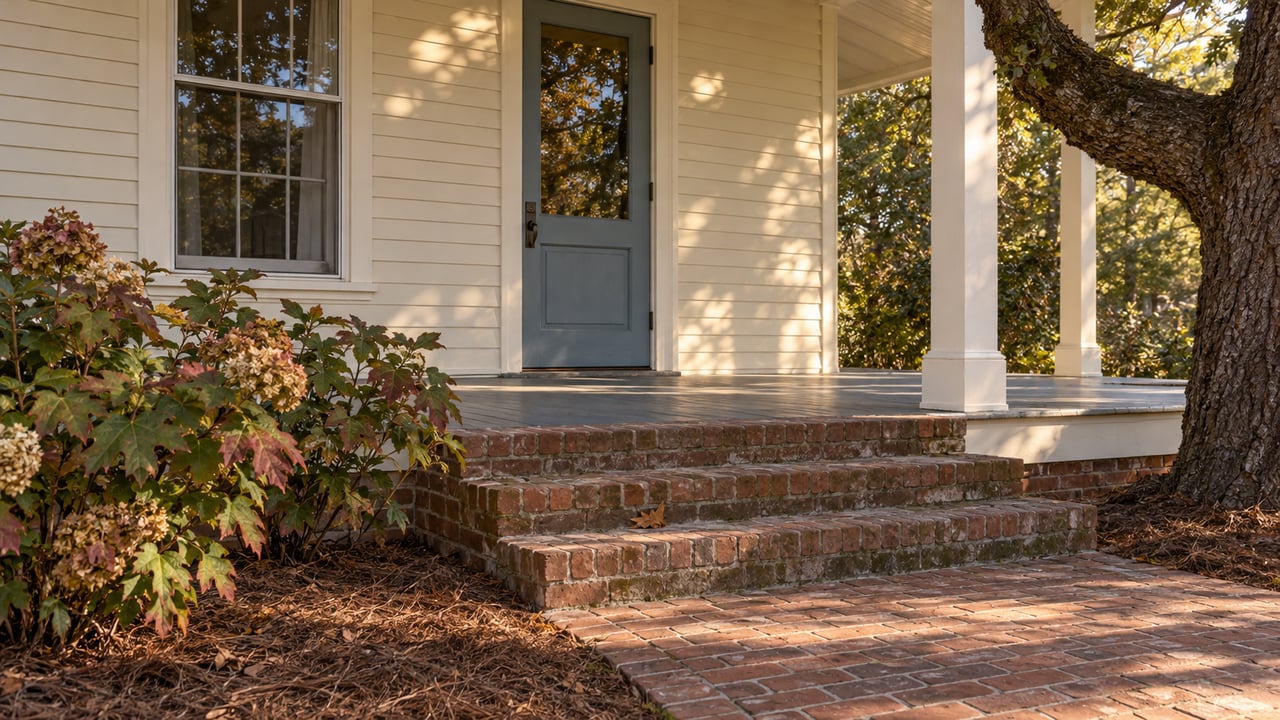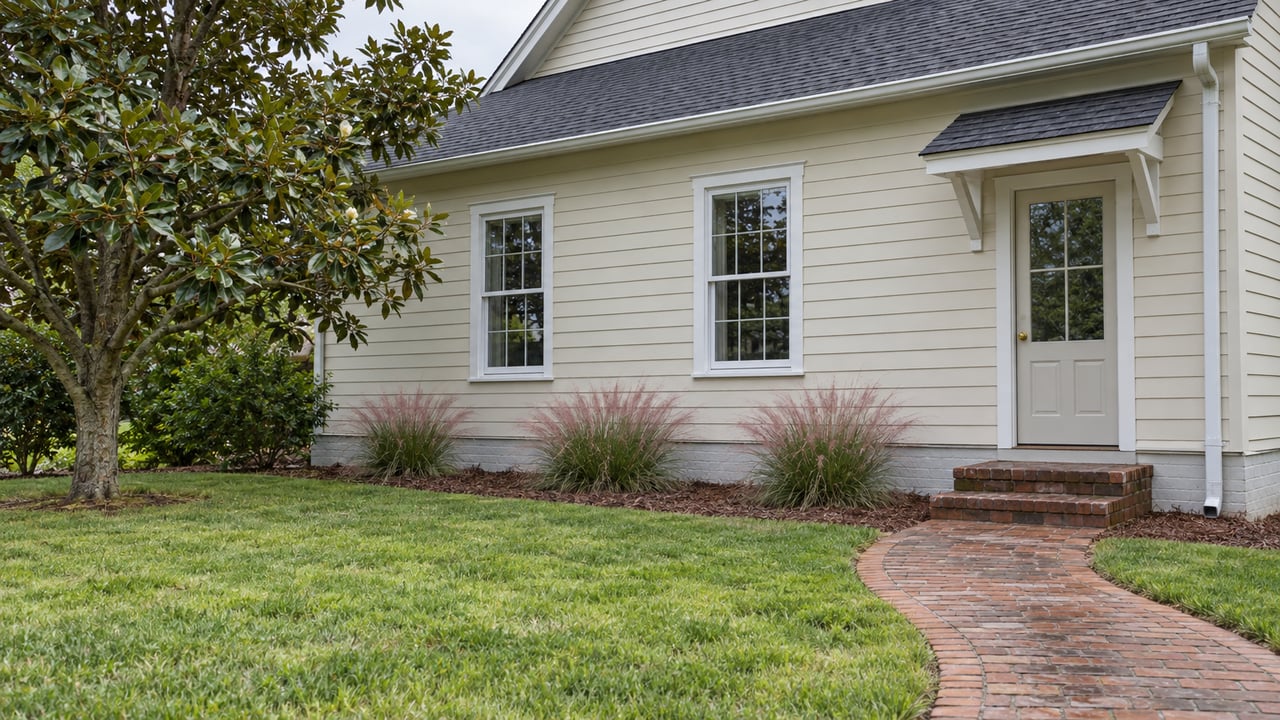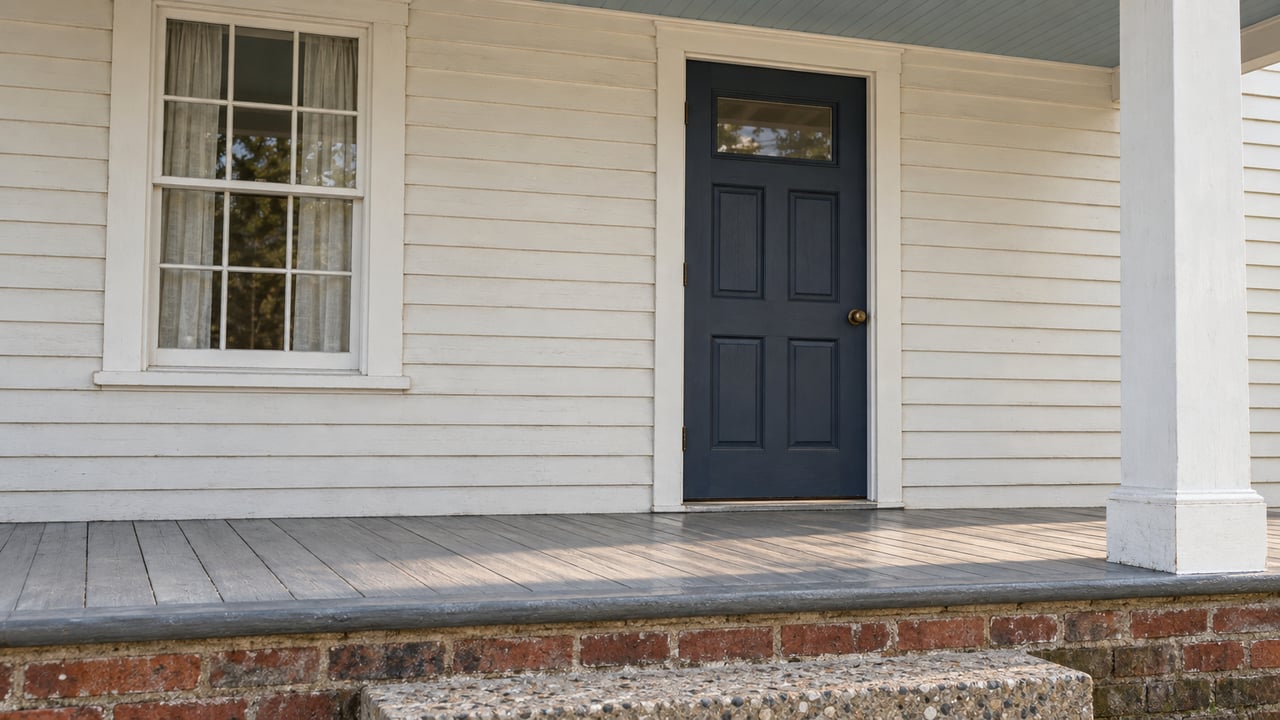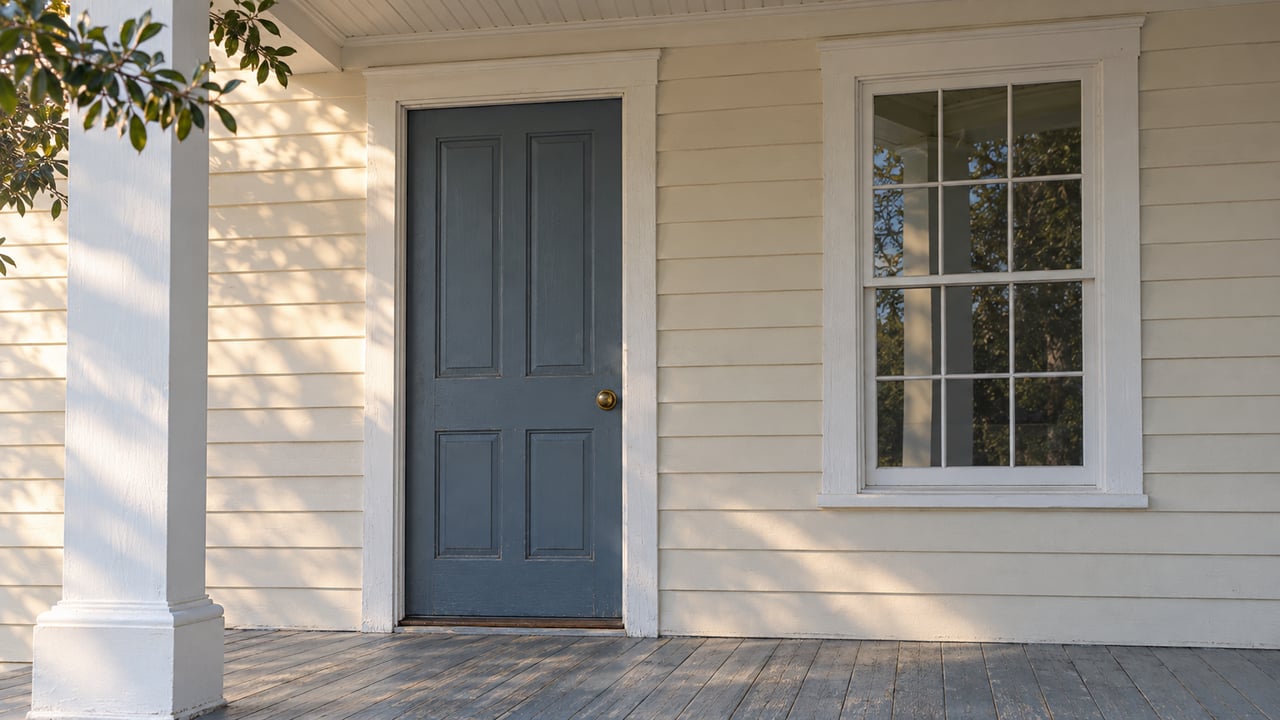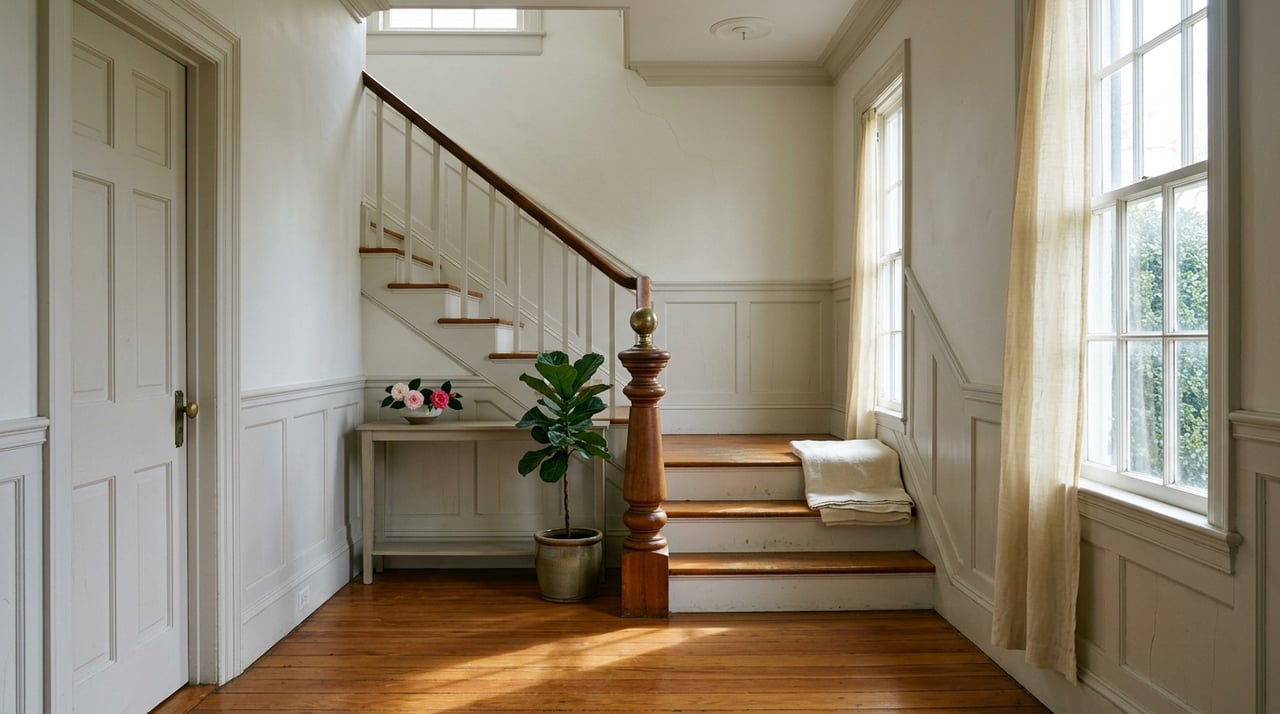
Picture a seller two blocks off Newcastle Street who spends a Saturday repainting the porch rail and putting up a new picket fence before the listing photos go live. The paint needed nothing from the city. The City of Brunswick requires a Certificate of Appropriateness for the fence, a piece of paper most sellers do not think to ask about until the closing date is already circled on a calendar.
That gap, between the improvement everyone assumes is cosmetic and the one that legally is not, is the actual friction point in an Old Town Brunswick sale. It has little to do with which way the market is supposedly trending this quarter. The pricing figures circulating for Brunswick right now barely agree with each other, let alone tell you what a century-old house on a specific street is worth. What reliably adds weeks to a historic district closing is procedural: a missed Certificate of Appropriateness, a termite letter ordered on the wrong day of a restoration timeline, or a facelift that quietly turns into a months-long approval process because it got tangled up with a tax credit application.
The Certificate You Didn't Know You Needed
Brunswick's Old Town neighborhood has been listed on the National Register of Historic Places since April 1979. Residents lobbied the city for local protection to go with it, and in 1999 Brunswick adopted the ordinance that created the Historic Preservation Board. The Board has seven members, all Brunswick residents, and the ordinance requires that at least three of them come from backgrounds in architecture, history, or a related preservation field.
The mechanism that matters to a seller is the Certificate of Appropriateness, or COA. The city is specific about what counts: fence installation, window replacement, and patios all trigger the requirement. General maintenance does not. Painting the house, or replacing rotted wood with the same material, can happen without a filing.
That distinction is easy to miss because both categories look identical in a listing photo. A fresh coat of paint and a new fence read the same way to a buyer scrolling through pictures. Only one of them was legal to install without city sign-off, and if a seller cannot produce a Certificate of Appropriateness for exterior work done since purchase, that becomes a disclosure conversation during due diligence rather than a footnote.
The process itself runs on a monthly clock. The City of Brunswick says the Board meets the first Monday of each month at 6 p.m. at Old City Hall on Newcastle Street, and applications have to reach the Historic Preservation Officer's office on Gloucester Street at least fifteen days before that meeting to be docketed. Miss the filing window by a day and the project waits a full month for the next cycle.
That clock gets longer, not shorter, when a restoration is paired with historic tax credits. A recent application for 1400 and 1402 Newcastle Street shows how the two tracks interact. The project involves restoring a tabby facade, reopening previously filled window openings, adding a new awning and rooftop patio, and repainting the parapet to match its historic appearance, all while the applicant pursues state and federal historic tax credits with the work under review by the National Park Service. Georgia Restoration Authority says Georgia's state rehabilitation tax credit, codified at O.C.G.A. § 48-7-29.8, allows up to 25 percent of qualifying rehabilitation costs and is designed to stack with the federal 20 percent credit, with a $300,000 cap for income-producing properties. A project chasing that credit does not just need a Certificate of Appropriateness from the city. It also needs sign-off from the Georgia Historic Preservation Division and, for the federal piece, the National Park Service. A porch repaint can happen this weekend. A tabby facade restoration tied to a tax credit application can take considerably longer, and a seller who starts one expecting to list in a month is setting up a mismatch between the renovation timeline and the marketing timeline.
The Termite Letter Almost Nobody Reads Twice
The second approval track has nothing to do with the city and everything to do with the lender, and it applies to virtually every wood-frame home in Old Town regardless of age.
Georgia does not use the national termite inspection form most of the country relies on. Instead, the state has its own Official Georgia Wood Infestation Inspection Report, built on a standardized Form 100, and it is almost always simply called the termite letter. Most lenders will not fund a purchase without one, and buyers paying cash typically ask for one anyway before they will close.
The report covers five organisms: subterranean termites, dry wood termites, powder post beetles, wood boring beetles, and wood decaying fungus. The Georgia Department of Agriculture says that, once issued, it carries a 90-day guarantee, meaning if one of those organisms turns up within that window, the issuing company is on the hook to treat it. What the report is not is a structural inspection. It documents what a licensed inspector can see on the day of the visit, not what is hidden behind plaster or under old flooring, so a clean letter is good news without being a guarantee about the framing nobody can see.
There is a second layer worth understanding before listing. Many older Brunswick homes already carry an active termite bond, a service agreement with a pest control company that covers ongoing inspections and retreatment if termites return. According to At Ease Inspections, these bonds are frequently transferable to a new owner, and a transferable bond on a hundred-year-old house is a genuine selling point, not a footnote. The catch, as Alexander Pest explains, is that only the company holding that existing bond can confirm in writing whether it transfers, so ordering the termite letter from that same company, rather than whichever inspector is fastest to schedule, is what turns an existing bond into marketable proof instead of a verbal claim.
What The Median Isn't Telling You
Here is where a seller might reasonably expect a clean answer about where Brunswick prices stand. The honest answer is that the aggregate numbers disagree with each other enough that no single one should set a listing price for a historic property.
| Snapshot | Time window | Reported figure |
|---|---|---|
| Citywide automated home value estimate, model A | As of April 2026 | $254,179, down 2.3% year over year |
| Citywide automated home value estimate, model B | As of April 2026 | $222,942, up 10.5% year over year |
| Median list price, citywide | July 2026 | $339,000 |
| Median sale price, citywide monthly snapshot | February 2026 | $335,000, up more than 170% year over year, based on 8 closings |
Two automated valuation models, pulling from the same city in the same month, land on opposite directions of movement. That alone is a reason not to anchor a listing price to a single headline number. The more striking figure is the reported year-over-year jump in median sale price. A 170 percent swing sounds like a market on fire until you notice it is built on eight transactions in a single month. With that few closings, one high-value historic rehab sale, or one distressed sale on the other end, can move the reported median by triple digits without reflecting any real shift in what Old Town homes are worth. The number is not wrong. It is just measuring something much narrower than "the market," and treating it as a market signal is the mistake.
Days on market tells a steadier story. The monthly snapshot from February 2026 shows homes taking around 109 days to sell, up from 51 days the year before. That is a more reliable planning number than the median price swing, and it argues for building real cushion into a listing timeline, especially if pre-listing restoration work is also on the calendar.
The other reason to distrust a single citywide figure is that Old Town itself is not one product. Union Street carries a local reputation as the most sought-after block in the district, lined with fully restored, larger historic homes. A few blocks over, the SOGLO micro-area, south of Gloucester Street, has quietly added brand-new two and three bedroom infill construction inside the same historic footprint. A century-old Victorian on Union Street and a new build in SOGLO can both get filed under "Old Town" in the same monthly report, even though a buyer shopping for one would rarely cross-shop the other. Averaging those two products together produces a number that describes neither of them accurately.
Getting The Sequence Right
For a seller preparing an Old Town listing, the order of operations matters more than any single data point:
- Audit exterior changes made since purchase. If a fence, replaced window, or patio went in without a Certificate of Appropriateness, resolve it or plan to disclose it before a buyer's attorney finds it during due diligence.
- Handle cosmetic work, paint and in-kind repairs, without waiting on city approval, since neither requires a filing.
- If a larger restoration is planned to support a higher list price, especially one that might qualify for state or federal historic tax credits, build in months, not weeks, for Board review and, where applicable, state and National Park Service sign-off.
- Order the wood infestation report early, and if the home carries an existing termite bond, order it from the company that issued the bond so transferability can be confirmed in writing.
- Watch the 90-day guarantee window on that report against your actual closing date.
- Price the home against actual closed comparables on comparable blocks within Old Town, not the citywide median, given how thin the monthly transaction count is district-wide.
A Few Questions Worth Asking Directly
Do I still need a termite letter if my buyer is paying cash? Almost always, yes. Georgia does not legally require it, but cash buyers routinely ask for one before closing regardless of financing, since it is the standard way to confirm a home is free of visible wood-destroying organisms at the time of inspection.
What separates a project that needs a Certificate of Appropriateness from one that doesn't? Fences, window replacement, and patios all require a filing. General maintenance, painting, and in-kind repair of rotted wood with the same material do not.
Can a restoration project claim both state and federal historic tax credits? Yes. Georgia's credit under O.C.G.A. § 48-7-29.8 is specifically structured to stack with the federal 20 percent credit, though each program has its own eligibility review.
Selling a historic home in Old Town rewards sellers who treat the approvals as seriously as the staging. Mackay Cate has spent a lifetime in the Golden Isles watching these two tracks, the city's Certificate of Appropriateness process and the state's wood infestation report, decide how smoothly a historic closing actually goes, regardless of what the citywide median claims that week. If you are weighing a sale in Old Town, or anywhere in the Golden Isles, Mackay Cate can walk through your specific street, your specific paperwork, and get you a free home valuation before you make a single decision about timing.
This article is general information, not legal, tax or financial advice. Consult a qualified professional about your situation.