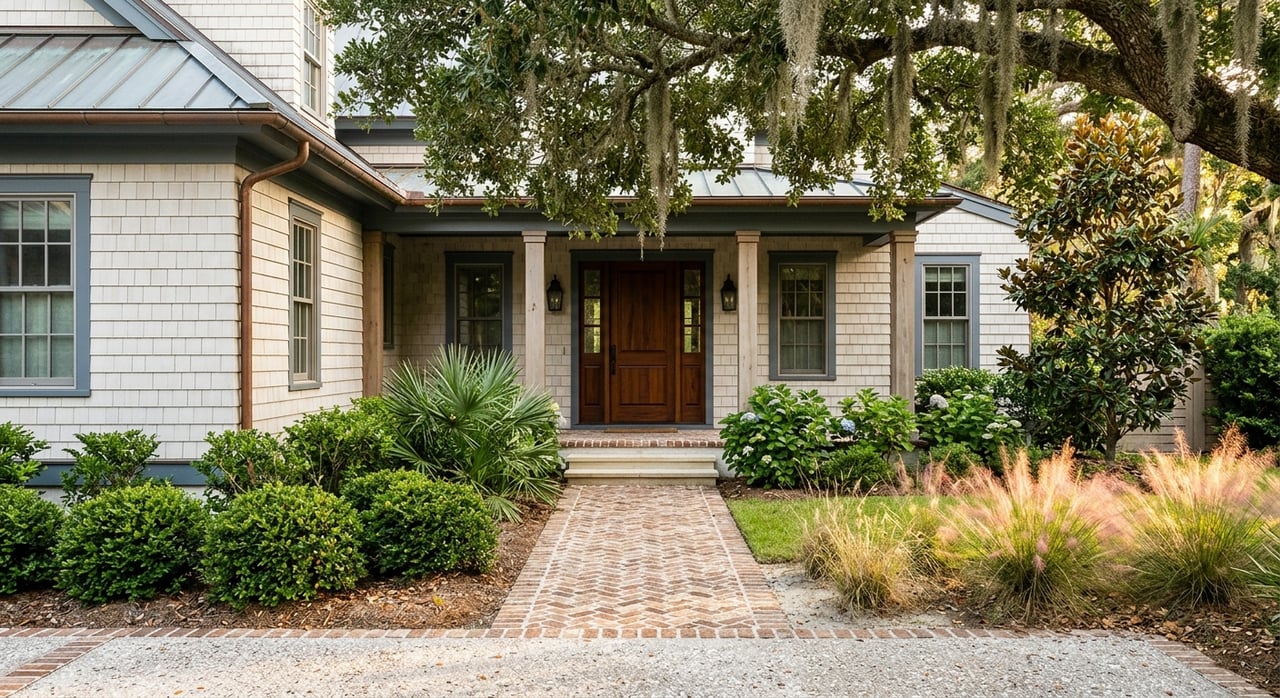
Wondering whether Sea Island or St. Simons is the better fit for your second home? It is a smart question, especially since these two Golden Isles destinations sit so close together but offer very different ownership experiences. If you are trying to decide between private resort living and a more traditional island community, this guide will help you compare lifestyle, price point, amenities, and rental flexibility so you can choose with more confidence. Let’s dive in.
Sea Island vs. St. Simons at a glance
If you are choosing a second home, the real question is not which island is better. It is which island fits the way you want to spend your time.
Sea Island is a private, gated resort island with access limited to resort guests and Sea Island Club members. St. Simons Island is more public and village-centered, with public beaches, a historic pier, a lighthouse, and a walkable core around Pier Village.
That difference shapes nearly everything else, from how you use the property to how often you rent it out, entertain guests, or simply slip into island life. For many buyers, the decision comes down to whether you want a highly curated resort environment or a broader residential community.
Choose Sea Island for private resort living
Sea Island is best suited to buyers who want privacy, structure, and a service-driven second-home experience. It functions more like a private resort ecosystem than a conventional beach town.
Official resort policies note that the island is private and gated, and Golden Isles tourism materials state that Sea Island beaches are for private guests only. If your goal is a quieter, more controlled setting with limited public access, that distinction matters.
What daily life feels like on Sea Island
Sea Island ownership tends to center on ease and access. The resort identity includes five miles of private beach, a Beach Club, tennis, a Yacht Club, a Shooting School, children’s programming, and three championship golf courses.
For cottage stays, the resort also offers concierge help, airport transfers, grocery delivery, dining and spa reservations, babysitting, and access to facilities like The Cloister, The Lodge, and the Beach Club. Many cottages are designed for turnkey use, with fully equipped kitchens, washers and dryers, housekeeping options, shuttle service, and golf cart or bicycle access along much of Sea Island Drive.
If you want a second home that feels polished and low-friction from the moment you arrive, Sea Island has a very specific appeal. It is often a fit for buyers who value convenience as much as the real estate itself.
What to expect on price and inventory
Sea Island sits in a very different price category than St. Simons. Reported market figures place Sea Island roughly in the $4.2 million to $6.25 million range, depending on the source and metric.
It is also an ultra-thin market. Realtor.com shows 36 homes for sale, a median 116 days on market, and no rentals in its local snapshot.
That usually means fewer opportunities and a narrower buyer pool. If you are targeting Sea Island, you are shopping in a more exclusive segment where patience and local guidance can be especially valuable.
Choose St. Simons for everyday island life
St. Simons Island is usually the better fit if you want a second home that feels connected to a broader community. It offers a more public, flexible, and neighborhood-oriented version of island ownership.
Golden Isles tourism materials describe St. Simons as a laid-back coastal escape with a charming village atmosphere, three public beaches, a historic pier, a lighthouse, and a walkable core around Pier Village. That creates a very different rhythm than Sea Island’s private resort setting.
What daily life feels like on St. Simons
On St. Simons, your second home can feel less like a retreat behind gates and more like part of everyday coastal life. Public beaches offer parking and restroom facilities, and village areas are known for being walkable.
The island also includes well-known landmarks like Fort Frederica and the lighthouse, which add to the sense of place. For many second-home buyers, St. Simons feels easier to use casually, whether that means weekend visits, longer seasonal stays, or hosting friends and family in a setting with more public access.
Census data also supports the idea that St. Simons is a mature residential community. In 2020, the CDP had 14,982 residents, an 85.9% owner-occupied housing rate, a median owner-occupied home value of $555,600, and median household income of $108,771.
What to expect on price and inventory
St. Simons offers a much wider range of entry points. Reported market figures place the island around $690,000 to $720,000, depending on the source and metric.
The market is also broader and more active. Realtor.com shows about 494 active listings, 46 rentals, a 97% sale-to-list ratio, and a median 60 days on market.
For second-home buyers, that can translate to more options, more price bands, and potentially more flexibility if your needs change over time. Compared with Sea Island, St. Simons generally offers more market depth and liquidity.
Compare second-home use cases
The easiest way to decide is to picture how you want to use the home most often. Your preferred rhythm usually points clearly toward one island or the other.
Sea Island may be right for you if you want:
- A private, gated setting
- Resort-centered amenities
- Controlled beach access
- A highly service-driven ownership experience
- A luxury second home tied to membership culture and prestige
St. Simons may be right for you if you want:
- A more public island environment
- Walkability around village areas
- Public beach access
- A broader residential community
- More price flexibility and a deeper housing market
Neither choice is inherently better. They simply serve different second-home goals.
Rental potential is not the same
If rental income is part of your plan, this is one of the most important differences between the two islands. Sea Island and St. Simons do not operate the same way.
Sea Island rentals are more curated
Sea Island does offer a rental path, but it is closely tied to the resort ecosystem. Resort press materials state that there are about 600 privately owned cottages on the island, with 140 available for rent, and those rentals include resort access.
That setup can appeal to buyers who like the idea of a hospitality-style structure. Still, it is not the same as owning in a conventional short-term rental market with broad public access.
Sea Island also offers some membership pathways without real estate ownership through Invitational and Junior memberships, while full and Beach & Sports memberships require qualified real estate. For some buyers, that is worth exploring before deciding they need to own on Sea Island itself.
St. Simons rentals are more conventional
St. Simons operates within Glynn County’s short-term rental rules and tax structure. According to the county FAQ, short-term rentals collect 6% state sales tax on stays under 90 days, a 5% local accommodations excise tax on the first 30 days of stays, and a $5-per-night state transportation excise tax on stays under 30 days.
The county also notes that six or more rentals trigger a business license requirement in addition to the short-term rental certificate. For buyers who want a more familiar income-producing framework, St. Simons generally looks more straightforward than Sea Island.
Think about access, not just amenities
Many buyers start by comparing golf, beach access, and dining. Those matter, but your long-term satisfaction often comes down to something simpler: how accessible and usable the island feels for your lifestyle.
Sea Island is intentionally private. That privacy is part of its value, but it also means access is more controlled for owners, guests, and beachgoers.
St. Simons is more open and public-facing. If you want to come and go casually, enjoy public spaces, and feel plugged into a visible island community, that may be the stronger match.
Which island fits your second home goals?
If you are drawn to discretion, resort convenience, and a highly curated ownership experience, Sea Island may be the right choice. It is built for buyers who want privacy, premium amenities, and a second home that feels closely tied to a luxury hospitality environment.
If you want a second home that blends beach access, village life, and a wider range of purchase options, St. Simons may be the better fit. It offers a more traditional island-living experience with stronger market depth and broader rental flexibility.
The best decision usually comes from matching the property to your real use case, not just your wish list. If you want help weighing Sea Island against St. Simons based on how you plan to live, host, and invest, Mackay Cate can help you compare opportunities across both markets with local insight and a personal, full-service approach.
FAQs
Is Sea Island or St. Simons better for a luxury second home?
- Sea Island is often the stronger match if you want a private, gated, resort-centered luxury experience, while St. Simons may fit better if you want luxury options within a more public residential community.
Is Sea Island more expensive than St. Simons for second-home buyers?
- Yes. Reported market figures place Sea Island roughly between $4.2 million and $6.25 million, while St. Simons is reported around $690,000 to $720,000.
Can you rent out a second home on Sea Island?
- Yes, but the rental path is more limited and closely tied to the Sea Island resort ecosystem, where certain privately owned cottages are available for rent with resort access.
Can you use a St. Simons second home as a short-term rental?
- Yes, but short-term rentals on St. Simons are governed by Glynn County rules, taxes, and certificate requirements.
What is the lifestyle difference between Sea Island and St. Simons?
- Sea Island is more private, controlled, and resort-focused, while St. Simons is more public, walkable, and centered on everyday island community life.
Is St. Simons easier to buy into than Sea Island?
- In general, yes. St. Simons has a much broader housing market, lower typical price points, and more active listings than Sea Island.