If you price your Brunswick home too high, you may lose the buyers who matter most in the first few weeks. If you price it too low, you risk leaving money on the table. In a market where timing, condition, and neighborhood all shape value, the right list price is less about guessing and more about reading your exact segment clearly. Let’s dive in.
Why Brunswick pricing is so local
Brunswick is not one single pricing story. As of March 2026, Realtor.com shows a median listing price of about $350,000 in Brunswick, while Glynn County overall is higher at about $487,000. That gap matters because countywide numbers also reflect pricier island and luxury areas.
If you use a broad average to price a mainland home, you can miss the buyer pool that is actually shopping your property. The strongest pricing strategy starts with your home’s direct competition, not a headline number for the whole county.
Market pace also shows why careful pricing matters. Realtor.com reports 50 days on market in Brunswick and 58 days countywide, while Redfin’s county snapshot shows 87 days on market and a median sale price of $450,000. The exact numbers vary by source, but both point to the same takeaway: buyers are active, yet pricing discipline still matters.
Start with closed comparable sales
A smart list price begins with recent closed sales that match your home as closely as possible. That usually means looking at homes in the same neighborhood or ZIP code, then adjusting for square footage, lot size, age, condition, updates, and specific location features.
That comp-based approach lines up with how local valuation standards work. Glynn County’s Board of Equalization says comparisons should be made to similar properties, and the county Property Appraisal Office states that its role is to determine fair market value accurately and uniformly. For sellers, that is a useful reminder that value is built from comparable properties, not wishful thinking.
Pending sales and active competition also matter, but closed sales should lead the conversation. They show what buyers have actually agreed to pay, not what a seller hoped to get.
Why tax assessments do not set market price
Many sellers look at a tax bill and assume it should guide their asking price. In Georgia, that is not how valuation works. The state assesses property at 40% of fair market value, and local tax notices show both fair market value and assessed value.
Glynn County also notes that a property’s use and condition on January 1 help determine tax-year value, with annual assessment notices typically mailed in May or June and a 45-day appeal window. That makes assessment data helpful background information, but it is not a substitute for a current market analysis built around today’s buyer activity.
If your home has been updated recently, improved over time, or sits in a niche pocket of Brunswick, your tax notice may not reflect the market position you need for a strong listing strategy.
Brunswick submarkets can price very differently
One of the biggest pricing mistakes in Brunswick is treating every area the same. Buyer expectations, price points, and days on market can shift meaningfully from one ZIP code or neighborhood type to another.
31520 homes need precise pricing
Redfin’s March 2026 snapshot for 31520 shows a median sale price of $193,500, about 74 days on market, and a 91.8% sale-to-list ratio. Some homes still receive multiple offers, but this data suggests buyers in this value-oriented mainland segment are price conscious and quick to compare options.
In this part of the market, condition and pricing accuracy often carry extra weight. If your home needs repairs, outdated finishes, or stronger presentation, buyers may discount it quickly.
31525 homes serve a different buyer pool
Redfin shows a median sale price of $321,500 in 31525. Nearby ZIP-level behavior also suggests homes averaging around 2% below list and taking about 80 days to go pending.
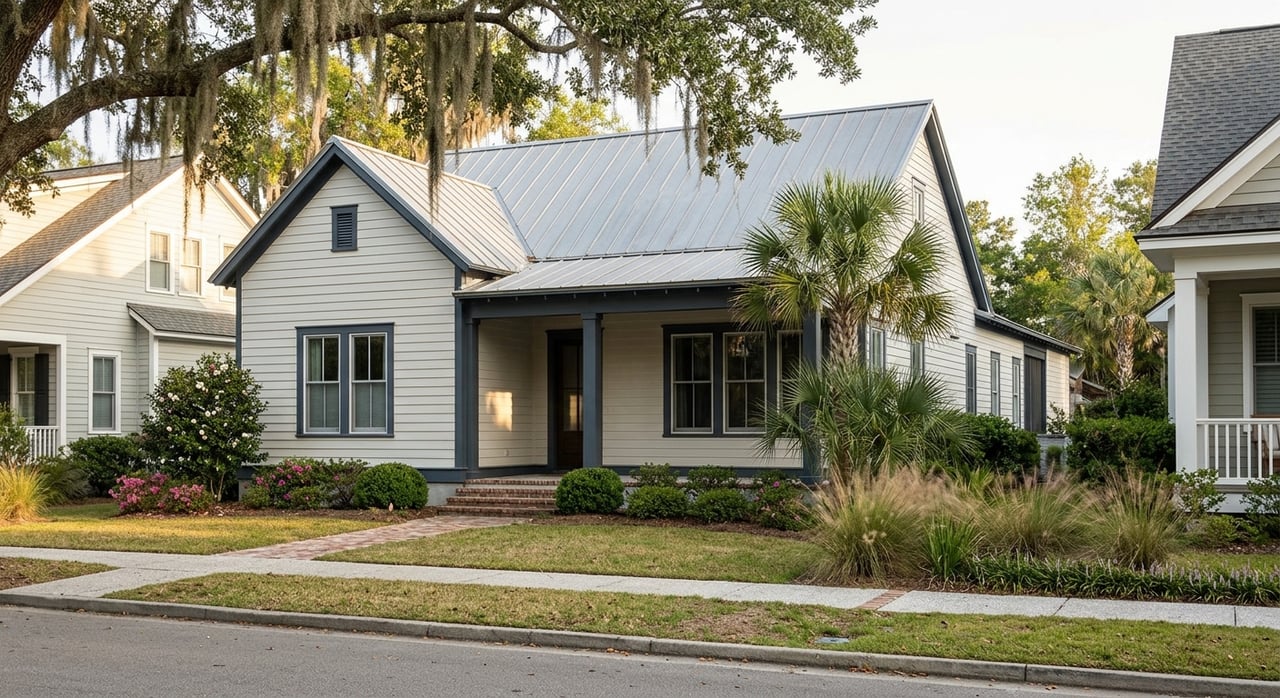
For many standard mainland homes, this area can act as a useful mid-market benchmark. If your property fits this profile, pricing should reflect how buyers compare newer or more typical housing stock, not luxury island inventory.
31523 can support higher-end pricing
Redfin reports a median sale price of $383,650 in 31523, 108 days on market, and a 97.0% sale-to-list ratio. It also notes that hot homes can still go pending in about 19 days.
That tells you something important. A stronger list price may be supportable for the right home, but buyers still sort sharply between standout listings and everything else.
Nearby areas influence buyer expectations
Realtor.com lists notable pricing gaps across nearby markets, including about $294,900 in Country Club Estates, $204,500 in Dock Junction, $350,000 in Brunswick, $449,500 in Jekyll Island, and $720,000 in St. Simons Island. Those gaps help explain why your list price should match the buyers who are truly cross-shopping your home.
A Brunswick buyer comparing mainland options may not react the same way as a buyer considering island-adjacent or second-home properties. That is why local context matters so much.
Historic Brunswick homes need their own comp set
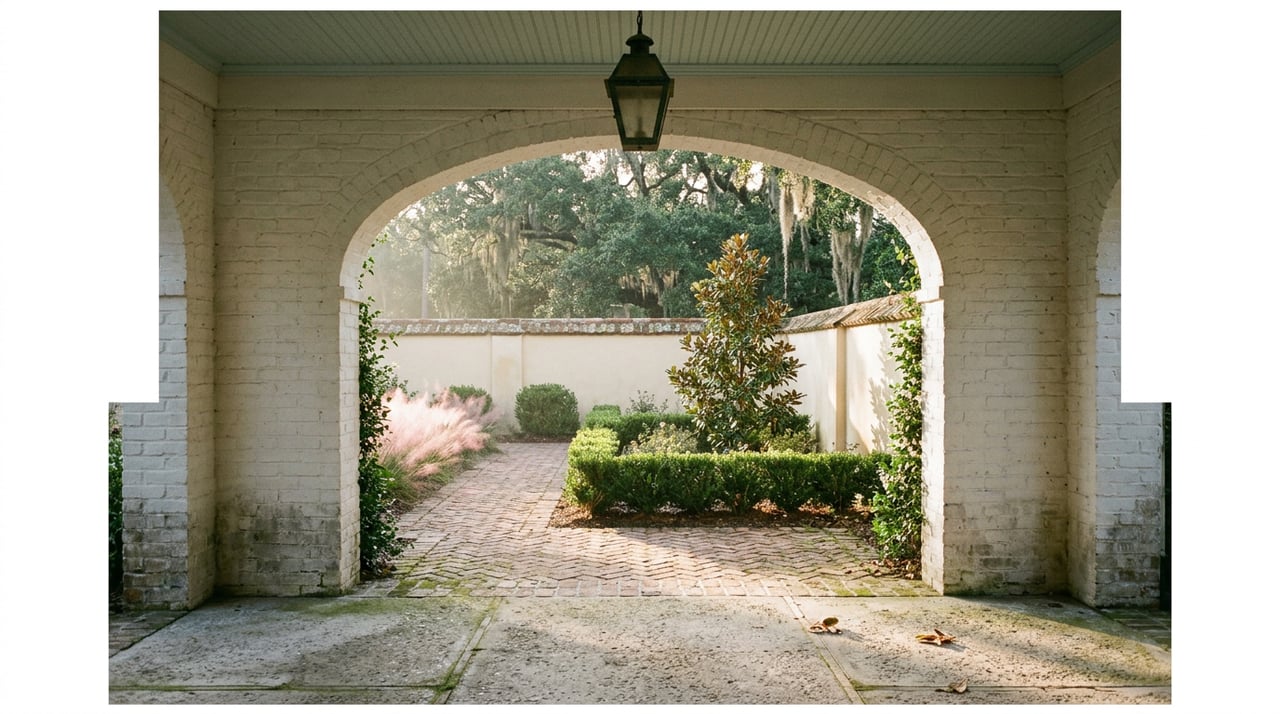
If your home is in one of Brunswick’s historic districts, pricing gets even more specific. The City of Brunswick identifies three National Register historic districts: Old Town, Windsor Park, and Dixville.
Historic homes often do not trade strictly on square footage alone. Architectural character, preservation quality, finish level, curb appeal, and overall condition can all shape value in a way that standard comp formulas may miss.
The city’s Old Town design guidelines were updated in 2019 and include chapters on preservation and maintenance, new construction and additions, commercial buildings, flood proofing and elevating structures, and relocation or demolition. For sellers, that means buyers may pay close attention to how well a historic property has been maintained and whether its updates fit the home’s style and setting.
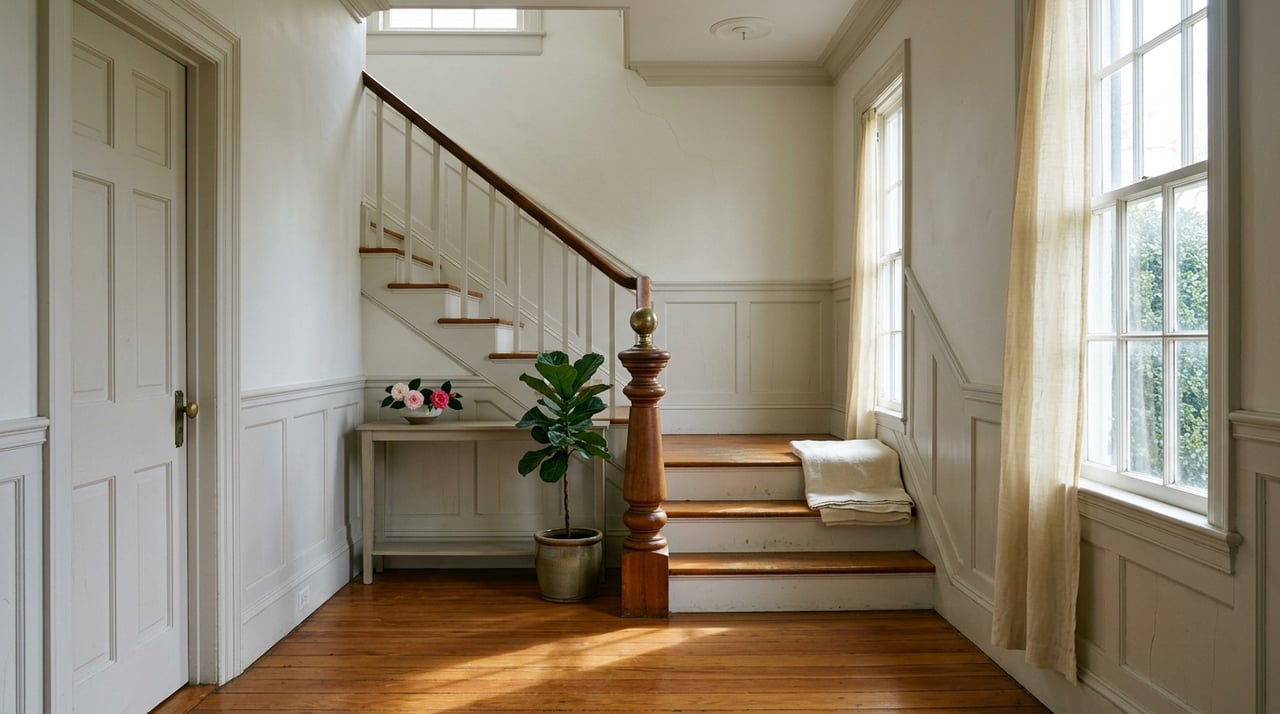
In Brunswick’s historic core, value is often tied to presentation and stewardship as much as size. A beautifully maintained Victorian with strong curb appeal may compete very differently from a similar-sized home that needs visible work.
Condition and presentation shape your final price
Even in a balanced or slower-moving market, buyers respond strongly to homes that feel clean, cared for, and easy to picture themselves in. That affects both how quickly your home sells and how much flexibility buyers think they have during negotiations.
The National Association of Realtors’ 2025 staging report found that 29% of agents saw a 1% to 10% increase in dollar value offered when homes were staged. The same report says 49% saw staging reduce time on market, and 83% of buyer’s agents said staging makes it easier for buyers to visualize the property as their future home.
For many Brunswick sellers, the best prep work is not a full remodel. It is the practical work that removes objections early.
Focus on high-impact prep
Before listing, it often makes sense to prioritize:
- Decluttering
- Deep cleaning
- Improving curb appeal
- Fresh paint where needed
- Addressing visible maintenance issues
- Making sure major systems appear well cared for
NAR’s 2025 Remodeling Impact Report also says 46% of buyers are less willing to compromise on condition. It notes that paint, roofing, kitchen upgrades, and bathroom work are among the projects most often recommended before selling.
That does not mean you should automatically take on a major renovation. In many cases, visible maintenance and cosmetic improvements do more to support your asking price than expensive projects that only partly pay back at resale.
Flood risk should be part of pricing
In a coastal market like Brunswick, flood review is part of a realistic pricing conversation. The City of Brunswick directs property owners and buyers to the FEMA Flood Map Service Center for flood-hazard mapping, and FEMA notes that flood risk is not limited by city lines or parcel boundaries.
That means flood exposure should be reviewed property by property. Two homes with similar size and style can perform differently if flood-related factors affect buyer demand, insurance expectations, or renovation planning.
For some properties, especially in historic or low-lying areas, this can influence how aggressively you price from day one. A strong pricing strategy accounts for the questions buyers are likely to ask before they ever schedule a showing.
Think beyond the sale if you are moving up
For some sellers, pricing is not just about this sale. It is also about the next purchase. Brunswick serves as the mainland gateway to the Golden Isles, with St. Simons Island and Jekyll Island an easy drive away.
If you are planning to move from Brunswick to an island home, your pricing strategy should reflect both sides of that move. Selling high sounds great in theory, but the real goal is often maximizing your overall position when you buy again in a different price segment.
This is especially important when nearby markets have meaningful price differences. A strategy that helps you sell efficiently and move forward with confidence can matter more than chasing an unrealistic list number.
What the right pricing strategy looks like
The best pricing plan for your Brunswick home is local, segment-specific, and based on real comparables. It should reflect your ZIP code, neighborhood type, condition, presentation, and the buyer pool most likely to act.
It should also account for where your home fits in the broader Golden Isles market. A value-oriented mainland property, a newer Brunswick home, and a historic Old Town listing should not be priced with the same formula.
When you get the price right from the start, you give your home a better chance to attract serious buyers, protect negotiating leverage, and avoid sitting on the market while buyers wait for a reduction.
If you want a pricing strategy built around Brunswick’s real submarkets and the broader Golden Isles buyer landscape, Mackay Cate can help you evaluate your home with local perspective and a clear plan.
FAQs
How should you price a home in Brunswick, GA?
- You should price a Brunswick home using recent closed comparable sales, then adjust for location, size, condition, updates, and the buyer pool in that specific area.
Are Brunswick, GA tax assessments the same as market value?
- No. Georgia property is assessed at 40% of fair market value for tax purposes, so your tax assessment is useful context but not the same as a current list price.
Do Brunswick, GA historic homes need different comps?
- Yes. Homes in Brunswick’s historic districts often need a more tailored comp set because character, preservation quality, finish level, and curb appeal can affect value beyond square footage.
Does home condition affect pricing in Brunswick, GA?
- Yes. Clean presentation, fresh paint, curb appeal, and visible maintenance can support pricing and reduce buyer objections, especially in price-sensitive segments.
Why does ZIP code matter when pricing a Brunswick, GA home?
- Brunswick submarkets can behave very differently. Data for 31520, 31525, and 31523 shows meaningful differences in sale prices, days on market, and sale-to-list ratios.
Should flood risk affect your Brunswick, GA list price?
- Yes. In a coastal market, flood exposure should be reviewed property by property because it can shape buyer demand and affect how a home is positioned in the market.