If you’re thinking about buying on Sea Island from out of state, you’re probably balancing excitement with a long list of logistics. This is not the kind of home search you want to handle with last-minute flights, rushed showings, or incomplete research. With the right plan, though, you can narrow your options, make a confident offer, and move toward closing with far less stress. Let’s dive in.
Why Sea Island buying is different
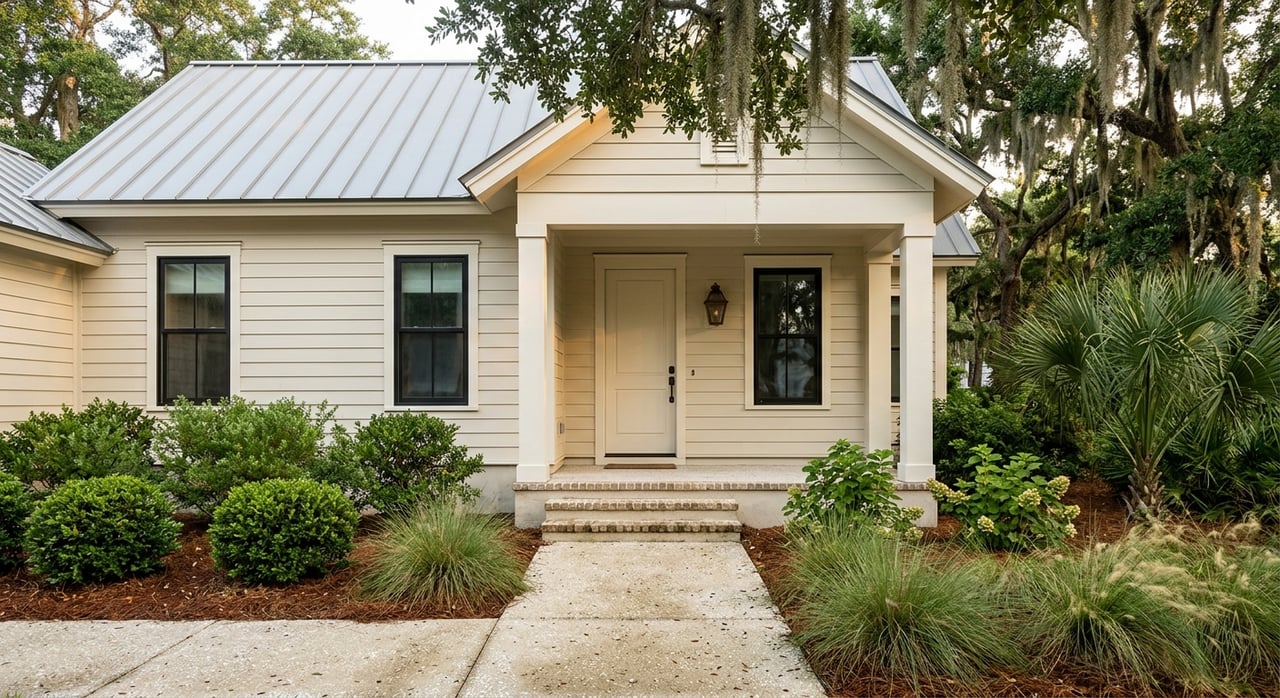
Sea Island is a privately owned beach resort connected by causeway to St. Simons Island. It includes private cottages and residences, and the Georgia Department of Natural Resources notes there is no public beach access from the mainland.
For you as an out-of-state buyer, that means access is more structured than in a typical coastal market. Showings, inspections, and property visits should be scheduled carefully so your time on the ground is productive.
Sea Island is still very reachable for a focused trip. Resort information says it is about 20 minutes from Brunswick Golden Isles Airport, about an hour from Jacksonville International Airport, and about an hour and 15 minutes from Savannah International Airport.
That kind of access makes a one- or two-day property trip realistic if your shortlist is prepared in advance. Instead of using travel days to start from scratch, you can arrive with a plan and spend your time comparing serious contenders.
Start with remote research
Before you book a flight, do as much screening as possible from home. Glynn County offers several public tools that can help you evaluate a property beyond the listing photos.
The county GIS system includes parcel and ownership search, aerial imagery, zoning and district data, and flood maps showing flood zones, storm surge, and elevations. For a coastal purchase, that information can help you ask better questions before you ever step inside the home.
The Clerk of Superior Court also maintains an index and copies of recorded real property documents. If you are comparing several properties, reviewing the record history can help you understand what should be clarified with your real estate agent, closing team, or title professional.
A smart remote prep list often includes:
- A current pre-approval letter
- Parcel and ownership details
- Flood-zone and elevation data
- Recorded deed history
- A working list of inspection, survey, title, and insurance questions
Doing this work early helps you avoid spending travel time on homes that do not fit your goals. It also gives you a stronger base for decisions once you are ready to write an offer.
Get financing lined up early
If you plan to finance the purchase, early preparation matters. Georgia Consumer Ed says some sellers or real estate agents require a pre-approval letter, and that pre-approval is based on a lender’s review of your credit history and income.
For an out-of-state buyer, a pre-approval letter does more than strengthen your offer. It also helps you set a realistic search range before you start booking travel, inspections, and follow-up appointments.
If you expect to buy in a short time frame, talk with your lender before your first visit. That way, if you find the right property during your trip, you are better positioned to act quickly.
Work with a Georgia-based advisor
Buying from another state is easier when you have someone local coordinating the moving parts. In Georgia, brokerage relationships are generally written, and the Georgia Real Estate Commission defines a brokerage engagement as a written contract.
Georgia also has specific rules for nonresident brokers. In practice, that makes it especially important for you to work with a Georgia-licensed, on-the-ground real estate professional who can guide the transaction locally.
That local guidance matters on Sea Island. A well-planned schedule, clear communication with inspectors and closing professionals, and timely follow-up can make a major difference when you are trying to manage everything from afar.
Plan your Sea Island visit with purpose
Because Sea Island is relatively accessible, your trip should be concentrated and strategic. A one- or two-day visit can work well when the schedule is organized ahead of time.
A simple approach looks like this:
- Day 1: Arrival, area drive-through, and primary showing block
- Day 2: Revisit your top choices, gather follow-up details, and prepare offer strategy
If a property rises to the top quickly, you can also use that second day to coordinate inspection planning, survey questions, or title and closing conversations. The goal is to leave with clarity, not a longer list of unanswered questions.
Understand Georgia offer and due diligence norms
In Georgia, an accepted offer is binding. Georgia Consumer Ed explains that once the seller accepts the offer, the parties have a deal.
That is why contingencies matter. Consumer Ed recommends inspection and financing contingencies so you have a path out if financing falls through or a serious issue appears.
Georgia’s standard REALTORS purchase agreement gives buyers meaningful due diligence rights. The due diligence period works like an option contract, which means you can terminate for any reason before the deadline and receive your earnest money back, or use that time to negotiate amendments.
For an out-of-state buyer, this structure is especially useful. It gives you room to complete inspections, review documents, revisit the property if needed, and make decisions based on facts rather than pressure.
Use the due diligence period well
The due diligence period is not just a technical deadline. It is your best window to confirm that the property, condition, and transaction terms match what you expected.
The Georgia REALTORS form also says buyers have the right to inspect the property and continue inspections through closing. At the same time, it makes clear that brokers are not expected to perform surveys, title searches, flood-zone review, appraisals, or technical inspections.
That means you should line up the right professionals early. Depending on the property, that may include:
- A local home inspector
- A surveyor
- A title professional
- An attorney or tax advisor when needed
If you are buying from another state, timing is everything. The best approach is to have these contacts ready before your first in-person trip ends, especially if you think you may write an offer during that visit.
Don’t overlook flood and record details
On any coastal purchase, public data can help you ask sharper questions. Glynn County’s flood maps include flood zones, storm surge, and elevations, which can all be useful points to review before your due diligence deadline expires.
Recorded property documents also matter. Looking at deed history and related records can help you and your closing team confirm ownership details and identify anything that needs further review.
You do not need to become your own title examiner or surveyor. You do want enough background, though, to know what to verify with the professionals handling your transaction.
Prepare for closing from a distance
Georgia Consumer Ed says existing-home closings are typically set 30 to 90 days after contract. If you are coordinating travel, financing, and property access from out of state, that timeline is helpful to understand from the beginning.
Consumer Ed also recommends a final walk-through before closing. Even if much of the process is handled remotely, that final check is an important step to confirm the property’s condition before funds are transferred.
You should also review the settlement statement carefully, bring required funds and photo identification, and remember that property taxes and utilities are prorated at closing. In Glynn County, tax bills are issued to the property owner of record as of January 1, so it is smart to confirm prorations and mailing-address updates as part of your closing plan.
Ask early about power of attorney
If you may not be able to attend closing in person, raise that issue early. The Georgia Department of Revenue says a deed may be signed through a properly executed power of attorney.
However, the same source warns that some lenders may not accept deeds or loan documents signed under power of attorney. If remote signing may be part of your plan, it is best to confirm that with your lender and closing team well before closing week.
This is one of those details that can feel minor at first and become urgent later. A quick early conversation can prevent a major last-minute disruption.
Protect yourself from wire fraud
Wire fraud is one of the biggest risks for remote buyers. The Georgia Bureau of Investigation has reported a mortgage-closing fraud case in which a buyer received a spoofed email that appeared to come from a closing attorney and then wired funds to a scam account.
The safest move is simple. Verify all wiring instructions by calling a known phone number for the closing attorney or title team, and do not rely on a reply to the email thread.
If anything about the instructions changes suddenly, slow down and confirm everything again. A few extra minutes of verification can protect your closing funds.
A smart out-of-state buying strategy
Buying on Sea Island from out of state works best when you treat the process like a well-managed project. You want your financing, research, visit schedule, inspections, and closing plan aligned before deadlines start stacking up.
That is where local guidance can make the process smoother. With a market like Sea Island, neighborhood-level knowledge, tight planning, and responsive communication can help you move with confidence from first search to final signature.
If you’re preparing to buy on Sea Island or anywhere in the Golden Isles, Mackay Cate offers local, full-service guidance designed to make an out-of-state purchase feel clear, organized, and personal.
FAQs
What makes buying on Sea Island different for out-of-state buyers?
- Sea Island is a privately owned beach resort with private residences and no public beach access from the mainland, so showings, inspections, and visits usually need more planning than a typical mainland home search.
What should you research before traveling to Sea Island?
- You should gather a pre-approval letter, Glynn County parcel and ownership data, flood-zone and elevation information, recorded deed history, and a checklist of inspection, survey, title, and insurance questions.
What should out-of-state buyers know about Georgia offers?
- In Georgia, an accepted offer is binding, so it is important to understand contingencies and use the due diligence period carefully to inspect the property and review the details.
Can you buy a Sea Island home without seeing it in person?
- Yes, but Georgia’s due diligence and inspection framework makes it wise to verify the property in person or through a trusted local inspector before your deadline passes.
Can you close on a Sea Island property without attending in person?
- Georgia allows some documents to be signed through a properly executed power of attorney, but some lenders may not accept that approach, so you should confirm it early with your lender and closing team.
How can out-of-state buyers avoid wire fraud at closing?
- Always verify wiring instructions by calling a known phone number for the closing attorney or title team, and never rely only on email instructions or changes sent in an email thread.