Choosing a home on Jekyll Island feels different from buying on the mainland. You are balancing charm, coastal resilience, and the right lifestyle fit across three main options: classic cottages, mid-century single-family homes, and condo communities. If you want a simple way to compare features, upkeep, and coastal must-knows before you tour, you are in the right place. This guide gives you the essentials on styles, maintenance, insurance, and inspections so you can move forward with confidence. Let’s dive in.
How Jekyll Island housing evolved
Jekyll Island is a barrier island with a mix of historic residential areas, later 20th-century single-family neighborhoods, and multiunit condo developments near the beach and marinas. Much of the island’s earliest, architecturally notable housing comes from the Jekyll Island Club era, concentrated in and around the Jekyll Island Historic District. As you move beyond the historic core, you will find modest post-war and mid-century houses alongside condo communities designed for vacation and full-time living.
Location matters. Proximity to the beach, marsh, and amenities strongly influences home type and price. Coastal resilience policies, floodplain regulations, and FEMA mapping also shape what you can build or renovate, and how much insurance may cost.
Rules and permits at a glance
Portions of the island fall within the Jekyll Island Historic District, which can affect exterior renovations, materials, and permitting for historic cottages. Local rules are coordinated through Glynn County for building and utilities and through the Jekyll Island Authority for island-specific planning and historic guidance. For any project, confirm which agency reviews your plans and check your parcel’s FEMA flood zone and Base Flood Elevation before you budget.
Classic cottages: features and fit
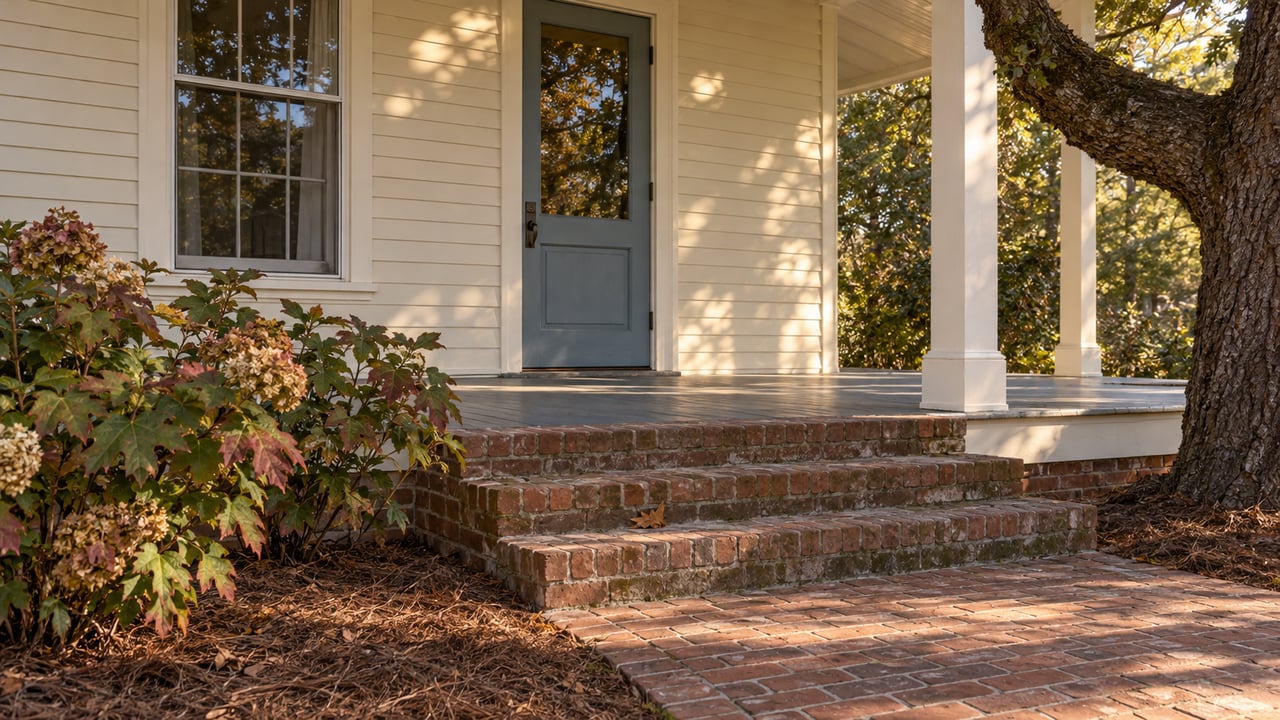
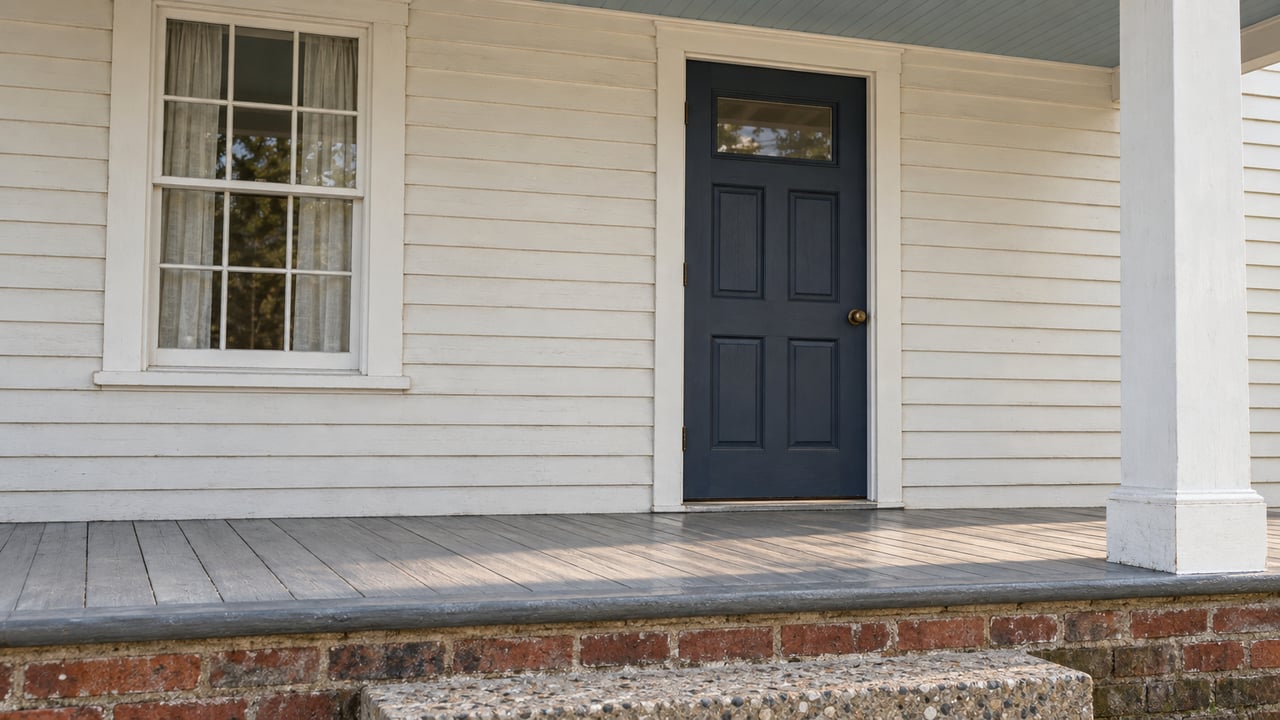
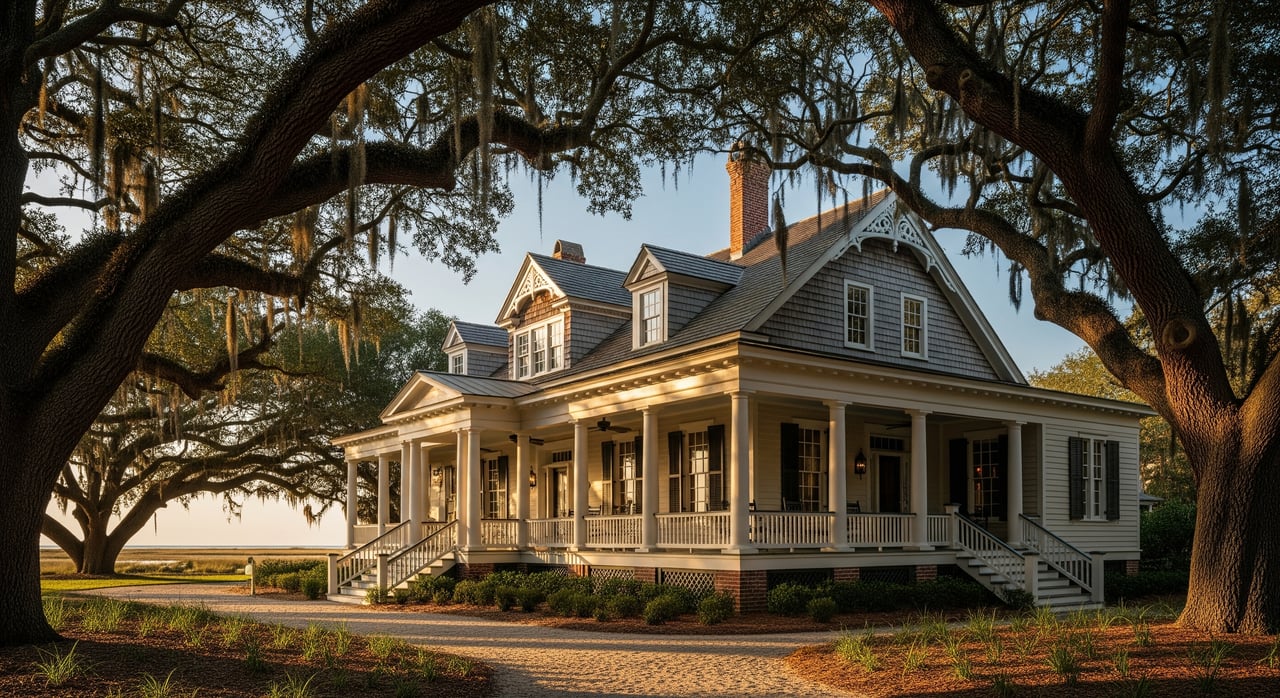
Many classic cottages date to the late 19th and early 20th centuries and cluster in historic neighborhoods. Expect wood-frame construction, clapboard or shingle siding, wraparound porches, steep or gabled roofs, decorative trim, tall windows, and raised foundations on piers or masonry. Interiors often include original woodwork, built-ins, and staircases designed for airflow and coastal living.
Why you might love them
These homes offer historic character and a strong sense of place. You often find them in established, walkable areas near parks, beach access, and historic sites. If you value one-of-a-kind architecture and story-rich settings, cottages stand out.
What to budget for
Older wood construction needs consistent care to manage rot, termites, and salt exposure. Historic-district rules can limit window styles, exterior materials, paint colors, additions, or demolition, which affects renovation flexibility and cost. Many cottages need upgrades to insulation, HVAC, wiring, or plumbing to improve comfort and resilience.
Best buyer fit
Classic cottages suit buyers who prioritize character and location and plan to budget for steady maintenance. They can shine as primary homes or vacation retreats if you want authenticity and are comfortable with historic-compliant renovations over time.
Mid-century homes: flexible and practical
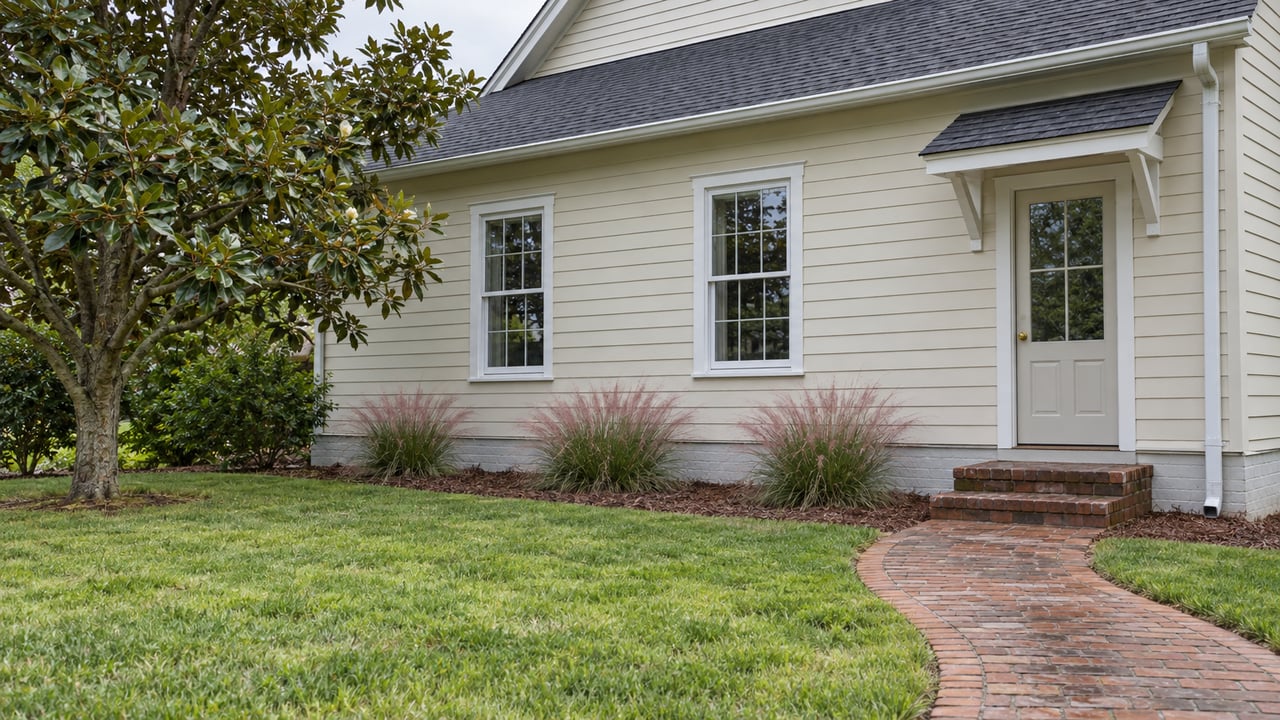
Mid-century and post-war single-family homes span roughly the 1950s through the 1970s, often on infill lots outside strict historic boundaries. You will see simpler plans, modest footprints, lower rooflines, and slab or crawlspace foundations, although many island homes still include elevated elements. Single-level layouts are common and can be easier to adapt to modern living.
Advantages to consider
These homes often deliver more interior space for the price and tend to be more flexible to renovate if they are outside the historic district. Floorplans may be practical for everyday living, and many properties offer larger lots than you find with historic cottages. They can be economical to acquire and update to current standards.
Watchouts and upgrades
Original systems can be dated. Plan to evaluate and possibly update wiring, plumbing, and HVAC for safety and efficiency. In a coastal climate, watch for foundation and moisture issues, wood rot on exterior elements, and signs of deferred maintenance in crawlspaces or on porches and decks.
Best buyer fit
Mid-century homes are a good match if you want a single-family property with renovation potential and fewer historic restrictions. If you enjoy customizing a home over time, this category can offer strong value.
Condos: low-maintenance living
Condominium communities range from small garden-style buildings to mid-rise options near beaches, marinas, and commercial corridors. Some are geared toward vacation rentals while others emphasize long-term residential living. Units usually offer a smaller footprint than single-family homes and share major systems like roofing, elevators, and building envelopes, plus amenities such as pools and landscaping.
Advantages to consider
Exterior upkeep is lighter for you because the association handles common areas and building maintenance. Amenities and proximity to island attractions can make day-to-day living or weekend use simple and enjoyable. If you want a turnkey or lock-and-leave property, condos can deliver that lifestyle.
Ownership details to review
Condos come with rules, monthly fees, and reserve budgets that you should review closely. Resale and rental policies matter, especially if you are considering short-term rentals. In coastal environments, shared structures face salt and moisture exposure, which can lead to periodic large-scale projects and special assessments, so the health of the HOA’s reserves and insurance matters.
Best buyer fit
Condos fit buyers who want minimal exterior maintenance, access to amenities, and a smaller, easy-to-manage footprint. They also suit second-home owners who prefer simple ownership and predictable routines.
Coastal construction and insurance essentials
Flood risk and elevation are central to coastal ownership. Check FEMA flood maps for your specific parcel and note the flood zone and Base Flood Elevation. A home’s finished-floor elevation relative to BFE influences both regulatory requirements and flood insurance premiums.
Homeowners, flood, and wind coverage often layer together on barrier islands. Flood insurance is typically required by lenders for properties in Special Flood Hazard Areas. Wind coverage and hurricane deductibles can differ by insurer, and some carriers require mitigation measures. For condos, understand what the HOA’s master policy covers compared to your interior responsibilities.
Material selection matters in salt air. Corrosion-resistant fasteners, properly maintained wood or fiber-cement siding, and stainless or coated hardware extend longevity. Many owners upgrade to metal roofs or high-wind-rated shingles and install impact windows or storm shutters to improve resilience.
Quick checklist before you tour
- Confirm flood zone and ask for any Elevation Certificate.
- Note the year built and major updates: roof, HVAC, windows, electrical, plumbing, and date of any full renovation.
- For condos: request bylaws, budgets, reserve studies, insurance details, rental rules, and special assessment history.
- If applicable, review historic-district restrictions for exterior changes.
- Ask for recent insurance quotes or current premiums for flood and wind coverage.
- Verify sewer versus septic and request maintenance records if septic is present.
What to look for during tours
- Exterior: roof condition, siding and paint, porch and deck stability, and any signs of rot or termite activity.
- Foundation: elevation, state of pilings or piers, and site drainage around the structure.
- Windows and doors: condition and any upgrades to impact glass or shutters.
- Interior: moisture stains, mildew odors, uneven floors or ceilings, and HVAC performance and age.
- Systems: electrical panel capacity, plumbing materials, and water heater age and condition.
- Condo-specific: common area upkeep, balcony and railing condition, ventilation and odor in corridors or garages, and elevator service records.
Renovation, resilience, and systems
On barrier islands, foundations and building envelopes deserve extra attention. If a home sits on pilings or piers, look for rot, shifting, or scour near marsh or shoreline areas. Concrete and steel elements should be checked for corrosion. If settling or structural concerns appear, plan for specialty inspections.
Utilities and backup power can affect daily comfort. Verify electrical panel capacity and whether wiring and plumbing have been updated. Ask about generator setups and elevation of utility components to reduce storm-related interruptions. If the property uses septic, request maintenance history and age to avoid surprise replacement costs.
Landscaping choices can reduce upkeep and support stability. Native, salt-tolerant plants stand up better to coastal conditions and help with dune and soil protection. Near shorelines, hardscaping may be limited by regulations, and erosion history can influence your long-term plans and insurance costs.
Costs to plan for on Jekyll Island
Insurance varies by flood zone, elevation, and structure type, so early quotes help you model true monthly costs. Exterior maintenance is a recurring budget item for cottages and mid-century homes, especially for wood elements and coastal hardware. For condos, monthly dues cover common areas, and periodic special assessments may occur for large building projects.
If you are renovating a historic property, factor in the cost and timing of using approved materials for exterior work. Upgrades like impact windows, metal roofs, and dehumidification systems improve resilience and comfort but require upfront investment. Your due diligence should include a review of any warranties for roofing, siding, or windows added in recent years.
How to match home type to your goals
- You want charm and a story-rich setting: A classic cottage offers unique architecture and an established setting. Plan for steady maintenance and historic-sensitive updates.
- You want space and flexibility: A mid-century home can provide larger floorplans and a more straightforward renovation path outside the historic district.
- You want simplicity and amenities: A condo keeps exterior upkeep light and adds shared features like pools or landscaping. Review HOA reserves, insurance, and rental policies before you commit.
Local resources to use
- Jekyll Island Authority and the island’s official site for planning, historic guidance, and island amenities.
- Glynn County Building and Development and the Property Appraiser for permits, parcel data, and property history.
- FEMA Flood Map Service Center and Elevation Certificates for flood zones and BFE.
- NOAA and state coastal resources for sea-level rise and storm surge tools.
- National Register of Historic Places and the National Park Service for Historic District details.
- Local insurance agents with coastal experience for early flood and wind quotes.
- A coastal-experienced home inspector, structural engineer when needed, and a licensed pest or termite inspector.
What to request before you write an offer
- Recent surveys and any Elevation Certificate.
- Any prior home inspection and invoices for major repairs or renovations such as roof, HVAC, and electrical.
- HOA bylaws, current budget, insurance declarations page, and reserve study for condos.
- Permit history for additions or exterior changes, plus any historic district approvals.
- Septic records if applicable and utility information for sewer connections.
When you are ready to explore, you deserve a local advocate who understands Jekyll Island’s history, coastal construction, and day-to-day lifestyle. If you want a clear plan from first tour to closing, connect with Mackay Cate for tailored guidance and a smooth, well-informed search.
FAQs
What are the main home styles on Jekyll Island?
- You will primarily choose among classic historic cottages, mid-century single-family homes, and condo communities near beaches and marinas.
How do flood zones affect buying on Jekyll Island?
- Flood zone and Base Flood Elevation influence lender requirements and flood insurance costs, so check FEMA maps and request any Elevation Certificate early.
What makes historic cottages different to renovate?
- Many are in or near the Historic District, so exterior materials and changes may require approvals, and older systems often need upgrades for safety and efficiency.
What should I review before buying a condo on the island?
- Read HOA bylaws, budgets, reserve studies, insurance coverage, rental policies, and any history of special assessments, and compare them with the building’s maintenance needs.
Which upgrades improve coastal resilience the most?
- Impact-rated windows or shutters, a metal or high-wind-rated roof, corrosion-resistant fasteners and hardware, and proper HVAC dehumidification help protect the home.
What inspections are essential for island properties?
- Hire a coastal-experienced home inspector and add specialty evaluations as needed, such as structural assessments for pilings and pest or termite inspections.
How do septic systems factor into a purchase on Jekyll Island?
- Some properties use septic, so request maintenance records and age to plan for upkeep or replacement and to understand how storms might affect system performance.