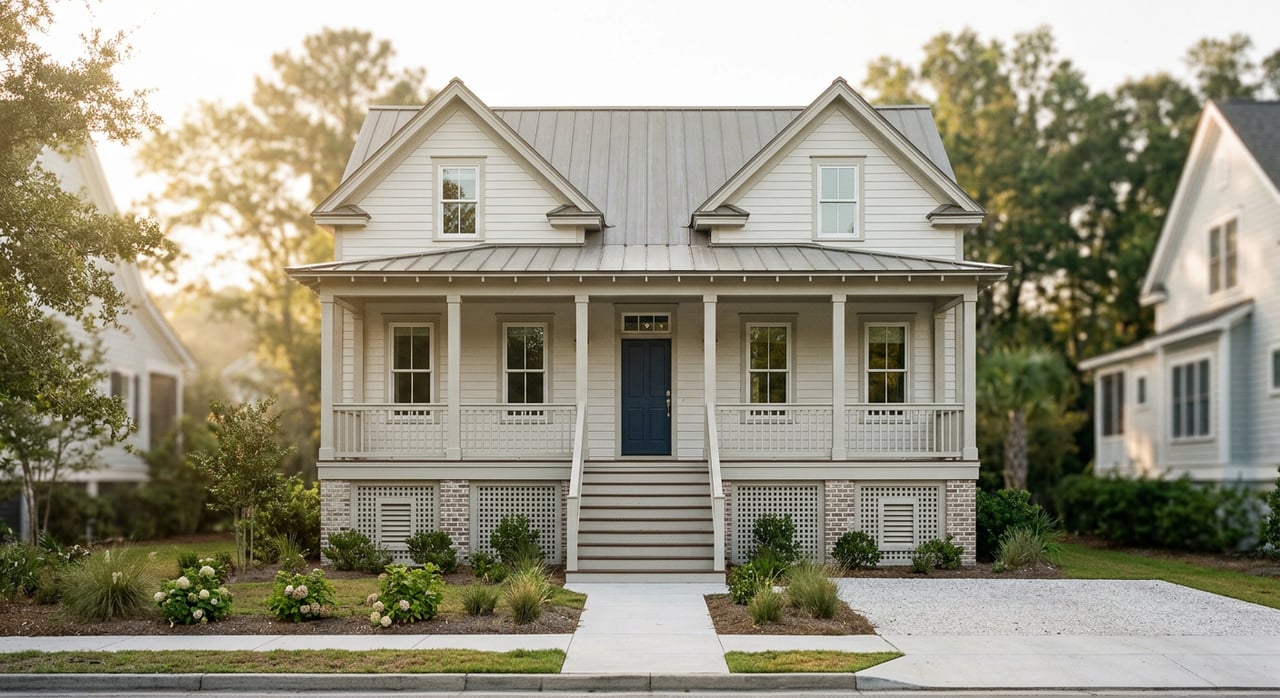
Buying your first coastal home in Brunswick can feel exciting and a little overwhelming. You want clear steps, honest numbers, and local insight that helps you avoid surprises. In this guide, you’ll learn how Brunswick compares with nearby islands on price, what to know about flood and insurance, which inspections matter most on the coast, and how Georgia financing and timelines usually work. Let’s dive in.
Why Brunswick is a smart first step
Brunswick offers coastal lifestyle access at prices that are often far lower than nearby barrier islands. For many first-time buyers, that balance of value and proximity to beaches, marsh views, and historic streets makes the mainland a practical launch point.
You still get coastal character, walkable pockets, and quick drives to St. Simons and Jekyll. The key is planning for coastal factors like flood zones, wind coverage, and salt-exposed systems during due diligence. With the right prep, you can buy confidently and budget wisely.
What homes cost: Brunswick vs. islands
Median prices reported by national portals vary. Recent snapshots show Brunswick’s median ranging from roughly the low $100,000s to the mid-$300,000s depending on the data source and geography they include. By contrast, St. Simons Island often lands in the high six figures and Jekyll Island can trend near or above the million-dollar mark.
What that means for you: Brunswick is materially more affordable than the islands, but prices still vary block by block. Neighborhoods like Old Town, Blythe Island, and Oak Grove can have very different medians and price per square foot. Rely on current local MLS data and a local advisor for exact comps when you’re ready to write an offer.
Flood and insurance 101 in Glynn County
Coastal buying includes a few extra steps. Getting these right early can save you time and money.
Check the flood map early
Before you fall in love with a house, look up the address on the FEMA Flood Map Service Center. This will show whether the property sits in a Special Flood Hazard Area and which flood zone applies. Map statuses change over time, so verify the panel and note if it’s preliminary or effective.
How Risk Rating 2.0 affects your premium
Flood premiums are now more individualized. FEMA’s Risk Rating 2.0 prices policies based on replacement cost, elevation, flood frequency, distance to water, and other parcel-specific details. Two homes on the same street can have very different premiums because of their first-floor height or exposure to storm surge. Ask the seller for any elevation certificates and get quotes early.
CRS discount in Glynn County
Glynn County participates in FEMA’s Community Rating System at Class 5. That means most NFIP policyholders in the county receive about a 25% premium discount automatically. Learn more about Glynn County’s CRS program and still shop your address-level quote, since the discount reduces cost but doesn’t change the underlying risk.
Private flood and loan rules
Some lenders accept private flood insurance in place of an NFIP policy, but rules vary by loan type. FHA now permits private flood policies that meet program requirements. Review FHA’s acceptance of private flood policies and ask your lender whether your loan product requires NFIP or allows private coverage. Comparing both NFIP and private quotes is smart.
Wind and hurricane deductibles
Home policies near the coast often include a separate hurricane or named-storm deductible. These are sometimes a percentage of your dwelling coverage instead of a flat amount. Read the fine print and ask how it applies. The NAIC’s overview of hurricane and named-storm deductibles explains common structures and triggers so you can plan your out-of-pocket exposure.
Inspections that matter on the coast
Coastal homes live with salt, wind, sun, and humidity. A strong inspection plan focuses on materials, moisture, and wind hardening.
Salt, roofs, and exterior
Salt air can speed up corrosion on fasteners, railings, and outdoor electrical fixtures. Roofing and paint may weather faster too. Ask your inspector to document roof age, fastening, and wind rating, and to note any corrosion on exterior systems. A coast-experienced inspector will tailor the scope to Brunswick conditions.
Moisture and mold
Humidity plus small leaks can create mold. If you see staining, musty odors, or past water events, build in extra testing. The CDC’s guide to mold cleanup outlines why quick action matters and what professional remediation can involve. Dehumidification and ventilation are common ongoing costs in coastal homes.
Foundations, pilings, and waterfront structures
On low-lying sites, ask about pilings, scour, and any bulkheads or seawalls. Repairs on docks and shoreline structures can be significant and may require permits. A targeted inspection guided by a coastal home inspections checklist helps you spot high-cost items before you commit.
HVAC and elevated utilities
Confirm whether condensers and major utilities are elevated above expected flood levels. Elevating equipment can reduce claim issues and may lower flood premiums. Ask for service records and evaluate corrosion on outdoor units.
Insurance-mitigation inspections
Order a wind-mitigation or 4-point inspection early if your insurer requests it. These reports can influence whether you get coverage and what you pay. Build the time for follow-up tests into your inspection period so you can negotiate repairs if needed.
Financing and down payment help in Georgia
First-time buyers in Brunswick often combine mainstream loans with state down payment assistance. Start by getting fully preapproved and gathering your documents.
Common loan types
- Conventional loans with private mortgage insurance if you’re putting less than 20% down.
- FHA loans with lower down payments. FHA allows qualifying private flood coverage that meets program standards.
- USDA Single-Family Guaranteed loans. These can offer 100% financing if the property and your income qualify. Check program details through the USDA Single-Family Guaranteed Loan program and verify address-level eligibility with your lender.
Georgia Dream and Peach Advantage
The Georgia Department of Community Affairs runs Georgia Dream mortgage products and launched Peach Advantage to expand down payment options. These programs have income limits, credit minimums, homebuyer education, and a DCA compliance review step that can add time to closing. Review Georgia Dream and Peach Advantage details and work with a participating lender to confirm amounts and timelines.
Your timeline from offer to keys
- Preapproval: a few days to 1–2 weeks once you submit documents.
- Offer and inspections: often 7–14 days, with more time if you need mold, roof, or septic evaluations.
- Appraisal and underwriting: usually 2–4 weeks. If you use USDA or state DPA, expect extra days for program reviews.
In Brunswick, a 30–60 day contract-to-close window is common. Complex repairs, flood documentation, or elevation certificate work can extend that timeline. Plan buffer time if your loan involves additional compliance steps.
Utilities, taxes, and permits: quick checks
- Water and sewer: Many properties are served by the Brunswick-Glynn Joint Water & Sewer Commission. If a home is outside service areas, plan for septic and well due diligence.
- Property taxes and exemptions: Review assessed value, millage, and homestead options early as part of your monthly cost planning.
- Flood documentation: Ask for any existing elevation certificates, Letters of Map Amendment, or prior insurance declarations to support underwriting and quotes.
First-time coastal buyer checklist
Use this to stay on track from search to closing:
- Get preapproved with a lender that understands coastal loans and can explain flood insurance requirements for your loan type.
- Pull the FEMA flood map for any address and request seller-held elevation certificates or LOMA documents. Budget for a new survey if needed. Start with the FEMA Flood Map Service Center.
- Schedule a coast-experienced inspection and add targeted tests as needed: mold/moisture, wind mitigation, roof assessment, pest/termite, and septic if not on public sewer. A good starting point is this coastal home inspections checklist.
- Get multiple insurance quotes for homeowners and flood. Compare NFIP and private flood where allowed, and ask how Risk Rating 2.0 and hurricane deductibles could affect renewals.
- If a property includes a dock or seawall, obtain a structural assessment and review permitting and maintenance responsibilities.
- Confirm utilities with the Brunswick-Glynn Joint Water & Sewer Commission or plan septic and well inspections if outside service.
- Factor taxes and exemptions into your monthly budget and verify details with county offices before you finalize your offer.
- Explore DPA early. Review Georgia Dream and Peach Advantage details and coordinate paperwork with your participating lender.
- Keep inspection, appraisal, financing, and insurance contingencies in your contract. Allow time for any program compliance reviews.
- Consider long-term resilience. Elevation, future insurance costs, and local mitigation investments can influence your total cost of ownership and resale.
Buying on the coast comes with a few extra checkboxes, but it also delivers daily rewards. With clear guidance, tailored inspections, and address-level insurance planning, you can protect your budget and enjoy the Brunswick lifestyle from day one.
Ready to explore the neighborhoods and compare options on and off the water? Reach out to a local guide who knows the Golden Isles inside and out. For personal, boutique help from search to closing, connect with Mackay Cate.
FAQs
What makes Brunswick more affordable than the nearby islands?
- National portals show Brunswick medians far below St. Simons and Jekyll, where island homes often list in the high six figures to near or above seven; local MLS data refines exact numbers by neighborhood.
How do I check if a Brunswick home will need flood insurance?
- Look up the address on the FEMA Flood Map Service Center and ask your lender if your loan requires coverage in that zone; then get NFIP and private quotes.
How does Risk Rating 2.0 change my flood premium?
- Risk Rating 2.0 prices your premium based on property-specific features like elevation and distance to water, so quotes can vary widely between nearby homes.
Does Glynn County provide any flood insurance discount?
- Yes. Through the Community Rating System, Glynn County holds a Class 5, which yields about a 25% NFIP discount for most policyholders in the county.
What inspections are most important for a coastal home in Brunswick?
- A general home inspection plus wind mitigation, roof evaluation, mold/moisture testing, termite report, and septic inspection if applicable; use a coast-experienced inspector.
Can I use private flood insurance with an FHA loan?
- Often yes, if the policy meets program rules; review FHA’s guidance on private flood acceptance and confirm with your lender.
How long does a first-time purchase in Brunswick usually take?
- Plan 30–60 days from contract to close, with extra time if you use USDA or state down payment programs that require additional compliance reviews.