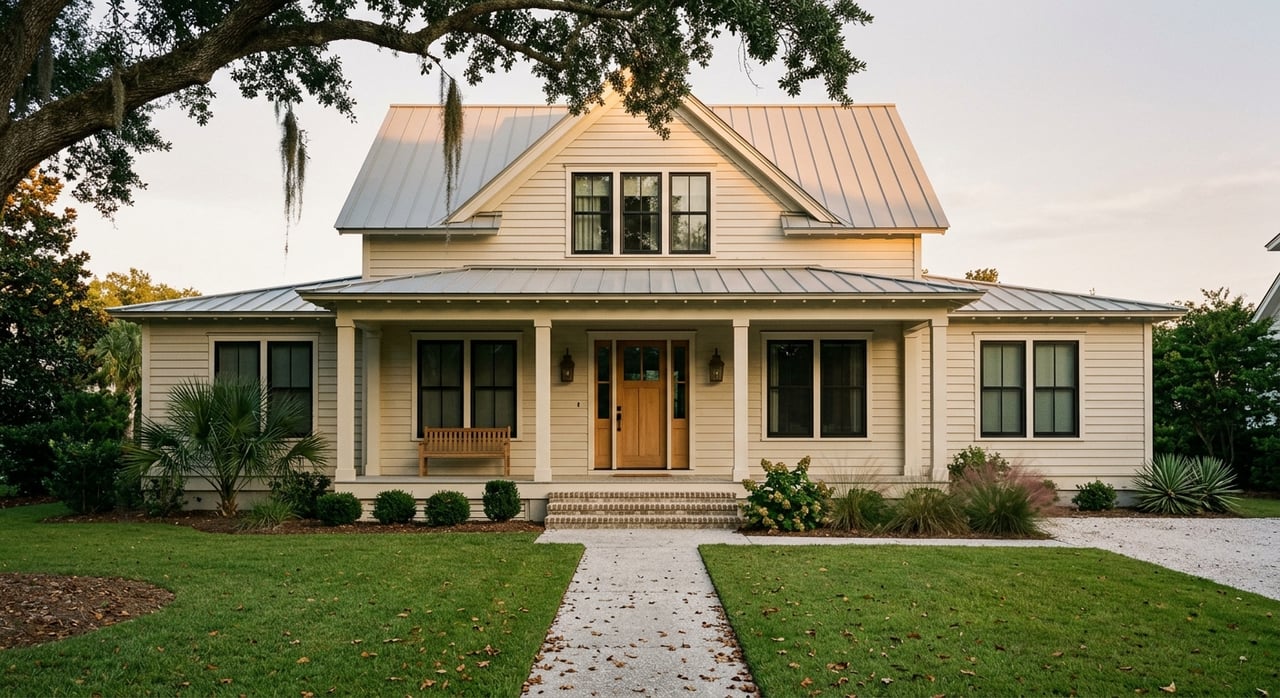
Buying on Jekyll Island is not quite the same as buying in most coastal markets, and that is exactly why doing your homework matters. If you are drawn to the island’s natural setting, quieter pace, and distinctive housing options, you also need to understand the rules, costs, and ownership structure that come with it. This guide walks you through the key details so you can make a confident, well-informed decision. Let’s dive in.
Understand Jekyll Island’s Leasehold Structure
One of the most important things to know is that Jekyll Island homes sit on land owned by the State of Georgia and managed by the Jekyll Island Authority, or JIA. When you buy a private residence here, you are generally buying the home and leasehold rights to the site, not fee-simple ownership of the land itself.
That difference affects how you evaluate value, financing, and long-term plans. Current residential leases run to dates ranging from 2049 to 2088, according to JIA, so the remaining lease term should be one of your first due diligence questions.
Lease expiration is especially important because improvements left on the lot vest with JIA at the end of the lease. Owners may remove or relocate improvements only during the final two years of the lease, and that would be at the owner’s expense.
Why Lease Term Matters
The number of years left on a lease can shape your ownership horizon in a big way. If you are buying as a second-home owner, future seller, or long-term holder, you will want to understand how that timeline fits your goals.
The remaining lease term can also affect resale planning and how comfortable a lender may be with the property structure. In practical terms, that means two homes with similar features may deserve different levels of attention depending on how much lease time remains.
Budget Beyond the Purchase Price
On Jekyll Island, your carrying costs can include more than a mortgage payment. Depending on the property and how you plan to use it, you may also need to budget for property taxes, annual land rent, maintenance-related fees, utilities, and fire fees.
JIA states that annual land rent is set at 0.4% of the fair market value of the leased land as assessed by Glynn County. That makes land rent a regular cost to review carefully before you buy.
It helps to ask for a full picture of current ownership expenses early in the process. A home that fits your price range on paper may feel different once recurring island-specific costs are added in.
Know the Utility and Service Costs
JIA provides water, sewer, and trash billing for island residents. Monthly bills are issued by the 26th and due by the 15th of the next month, and trash and recycling charges are included on the water bill.
Regular trash service includes two cubic yards per week per home, while bulk trash pickup carries separate fees. Electricity is provided by Georgia Power, internet by Comcast, and telephone service by AT&T.
These details may sound small, but they add up in your monthly budget. If you are comparing several homes, reviewing actual utility and sanitation costs by address can give you a clearer ownership picture.
Factor in Island Parking Fees
Parking is another recurring cost buyers sometimes miss. All vehicles entering Jekyll Island pay a parking fee, and JIA lists current public rates at $10 per day or $100 per year, with higher daily rates on select special-event dates.
Annual passes are tied to a specific vehicle. JIA says parking fee revenue helps support roads, grounds, conservation, historic preservation, public safety, and the Guest Information Center.
If you expect frequent visits from family or guests, or if you are purchasing a second home, this is worth factoring into your planning. It is not necessarily a deal breaker, but it is part of the ownership experience.
Compare Property Types Carefully
Jekyll Island offers a mix of housing types, and the right fit depends on how you plan to live on the island. JIA’s residential code includes limited residential areas, multiple residential areas, and planned community districts.
In general, limited residential areas are for detached one-family dwellings, while multiple residential areas can include two-family homes and related uses. Planned community districts are designed for compatible residential uses, amenities, open space, and a specific development plan.
For you as a buyer, that can translate to detached island homes, duplex-style options, and attached communities. JIA also describes The Cottages as a newer oceanfront community with 123 townhouse-style cottages, plus an oceanfront pool and clubhouse.
Consider the Island’s Historic and Natural Setting
Jekyll Island has a housing identity shaped by both preservation and conservation. The National Historic Landmark District covers a 240-acre area with 34 historic structures, and the island continues to place strong emphasis on preserving that setting.
JIA also notes that Jekyll is one of Georgia’s protected barrier islands, with most of the island remaining in a natural state. Official island materials highlight seven beaches, 24 miles of bike paths, and 4,351 undeveloped acres.
For many buyers, this is the reason Jekyll feels so different from other beach markets. Development patterns are shaped by a conservation-first approach, which can support a quieter and more measured ownership environment.
Prepare for a More Regulated Ownership Experience
Because Jekyll Island is state-managed, owners typically operate within a more structured review system than they might elsewhere. The JIA Board of Directors serves as the island’s policy-making body, and the code-compliance system handles permits, reviews, and inspections.
If you want to remodel or add features later, it is important to ask what approvals may be required. Remodels, additions, accessory structures, fences, pools, signs, and right-of-way work can require JIA review and, in many cases, Glynn County permits as well.
The review process can include the Code Compliance Office and the Design Review Group, followed by inspections and final completion sign-off. That does not mean projects cannot happen, but it does mean planning ahead is essential.
Review Everyday Property Rules
Beyond larger renovations, some property rules affect daily use. Jekyll’s residential regulations include limits on driveway width, requirements for approved paving materials, and general restrictions against parking in yards, lawns, or landscaped areas.
These guidelines are part of the island’s broader effort to protect appearance, function, and environmental character. If a home’s parking layout or outdoor space is important to you, make sure the property works for your needs under current rules.
If You Plan to Rent, Learn the Rules First
Some buyers hope to offset costs by renting their property part time, but Jekyll Island has a defined compliance framework for overnight rentals. JIA requires an overnight rental license and charges percentage rent equal to 3% of gross rental revenue.
The rules also require annual license renewal, a local agent for short-term rentals, a parking plan, and compliance with occupancy and life-safety standards. Short-term rentals must also subscribe to an annual back-door waste service contract.
Another key point is that the permit does not automatically transfer when the property is sold. If rental income is part of your strategy, confirm early whether the property is eligible and what steps would be required after closing.
Understand Occupancy and Conduct Standards
Rental use on Jekyll comes with clear operating expectations. For short-term rentals, occupancy is limited to two adults per bedroom plus two additional occupants.
JIA’s code also requires overnight parking to stay within the driveway or assigned spaces. Loud or unruly gatherings can be treated as a public nuisance, and repeated violations can lead JIA to revoke or refuse to renew a rental license.
For you, this means Jekyll may be a better fit for a measured, well-managed rental approach than a high-turnover investor model. Buyers who value order and consistency often see that as a benefit.
Keep Flood Exposure in Mind
As with any coastal purchase, weather and flooding should be part of your due diligence. JIA notes that flooding is most likely near beaches and marshes, can happen with little warning, and can leave streets under two to three feet of water.
That does not mean every property faces the same risk level, but it does mean location-specific review matters. Before you buy, ask about flood-prone areas, elevation information, and any insurance documentation available for the property.
JIA also encourages residents to register for Nixle alerts and follow the state re-entry framework after severe weather. If you will be using the home seasonally, it is especially helpful to understand storm planning before you close.
Questions to Ask Before You Make an Offer
A strong Jekyll Island purchase starts with clear questions. During showings and due diligence, consider asking:
- How many years remain on the residential lease?
- What is the current annual land rent, and how is it billed?
- What are the monthly water, sewer, trash, and any bulk-waste costs?
- How many parking spaces come with the property?
- Are there guest or rental parking limitations?
- If you want to rent the home, is it eligible for a short-term rental license?
- What approvals would be needed for repairs, additions, or exterior changes?
- Is the property in an area with greater flood exposure?
- Are there condo, neighborhood, or community dues in addition to JIA charges?
These questions can help you compare homes more accurately and avoid surprises later. On Jekyll Island, understanding the structure of ownership is just as important as liking the floor plan or the view.
Why Local Guidance Matters
Jekyll Island offers a rare ownership experience shaped by conservation, historic stewardship, and a state-managed land model. For the right buyer, that can be a major advantage, especially if you want a coastal property with a distinctive sense of place.
At the same time, the details matter here. Lease terms, recurring fees, rental rules, permitting, and flood considerations all deserve careful review before you move forward.
Working with someone who understands the Golden Isles can make that process smoother and more informed. If you are considering a home on Jekyll Island, Mackay Cate can help you evaluate your options with clear, local guidance.
FAQs
What makes buying on Jekyll Island different from other coastal markets?
- On Jekyll Island, buyers typically purchase the home and leasehold rights to the site, while the State of Georgia retains ownership of the land.
What should buyers ask about a Jekyll Island lease term?
- You should ask how many years remain on the lease and what happens at expiration, since lease length can affect long-term plans, resale, and financing comfort.
What recurring costs should buyers expect on Jekyll Island?
- In addition to a mortgage, costs may include property taxes, annual land rent, utilities, sanitation charges, fire fees, parking fees, and possibly condo or community dues.
What should buyers know about Jekyll Island short-term rentals?
- Short-term rentals require an overnight rental license, a local agent, annual renewal, a parking plan, life-safety compliance, and payment of 3% of gross rental revenue to JIA.
What property changes may require approval on Jekyll Island?
- Remodels, additions, accessory structures, fences, pools, signs, and some right-of-way work may require JIA review and, in many cases, Glynn County permits.
What flood questions should buyers ask about a Jekyll Island home?
- You should ask whether the property is in a flood-prone area and review available elevation and insurance documentation before closing.